
Eric Levine
LMHCWashington · 14 yrs exp
Calm listener who helps you plan next steps
Stress, Anxiety · Relationship · Career · Depression · +4 more
Read profileTherapist directory · United States, United Kingdom and Australia
Need help now?Therapist listings are provided by BetterHelp. We will earn a commission at no extra cost to you if you use our links to buy.
Profiles on this page are grouped under the listed location Washington so you can compare therapists who work with divorce, separation and starting over. Browse profiles to review focus areas, approaches, languages and credentials, and read each profile carefully before contacting a therapist.
Washington · 14 yrs exp
Calm listener who helps you plan next steps
Stress, Anxiety · Relationship · Career · Depression · +4 more
Read profile
Washington · 30 yrs exp
Compassionate guidance through major life transitions
Stress, Anxiety · Family · Trauma and abuse · Self esteem · +1 more
Read profile
Washington · 9 yrs exp
Supportive LICSW for life transitions
Stress, Anxiety · LGBT · Trauma and abuse · Bipolar · +11 more
Read profile
Washington · 20 yrs exp
Calm, practical support during life transitions
Stress, Anxiety · Relationship · Self esteem · Depression · +1 more
Read profile
Washington · 13 yrs exp
Compassionate, straightforward support for life transitions
Stress, Anxiety · LGBT · Self esteem · Depression · +9 more
Read profile
Washington · 9 yrs exp
Support for stress, relationships, and change
Stress, Anxiety · Relationship · Family · Depression · +10 more
Read profile
Washington · 27 yrs exp
Practical, steady counseling for life transitions
Stress, Anxiety · Addictions · Trauma and abuse · Parenting · +10 more
Read profile
Washington · 33 yrs exp
Experienced therapist for life transitions
Stress, Anxiety · Grief · Self esteem · Depression · +12 more
Read profile
Washington · 14 yrs exp
Practical support for life transitions and grief
Stress, Anxiety · Relationship · Grief · Career · +5 more
Read profile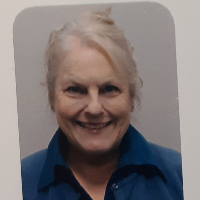
Washington · 27 yrs exp
Experienced counselor for life transitions
Stress, Anxiety · Relationship · Family · Self esteem · +7 more
Read profile
Washington · 28 yrs exp
Compassionate counseling for life transitions
Stress, Anxiety · Addictions · Grief · Self esteem · +1 more
Read profile
Washington · 18 yrs exp
Compassionate, practical support for life transitions
Stress, Anxiety · Relationship · Trauma and abuse · Self esteem · +1 more
Read profile
Washington · 10 yrs exp
Practical, goal-focused therapy for life changes
Stress, Anxiety · Addictions · Family · Depression · +9 more
Read profile
Washington · 16 yrs exp
Compassionate clinician for life transitions
Stress, Anxiety · Addictions · Relationship · Family · +11 more
Read profile
Washington · 7 yrs exp
Compassionate counselor focused on relationships and change
Stress, Anxiety · Relationship · Intimacy-related issues · Self esteem · +1 more
Read profile
Washington · 7 yrs exp
Compassionate guidance for life transitions
Stress, Anxiety · Self esteem · Depression · Coping with life changes · +12 more
Read profile
Washington · 22 yrs exp
Experienced, practical support for life transitions
Stress, Anxiety · Relationship · Self esteem · Depression · +7 more
Read profile
Washington · 4 yrs exp
Calm, practical support through life transitions
Stress, Anxiety · Relationship · Family · Parenting · +1 more
Read profile
Washington · 26 yrs exp
Compassionate counselor for life transitions
Stress, Anxiety · Family · Trauma and abuse · Depression · +1 more
Read profile
Washington · 15 yrs exp
Compassionate care for life transitions
Stress, Anxiety · Trauma and abuse · Parenting · Self esteem · +12 more
Read profile
Washington · 17 yrs exp
Calm, practical therapy with creative arts
Relationship · Family · Trauma and abuse · Grief · +1 more
Read profile
Washington · 5 yrs exp
Practical, collaborative support for relationship stress
Stress, Anxiety · Relationship · Family · Trauma and abuse · +1 more
Read profile
Washington · 8 yrs exp
Compassionate support for difficult life transitions
Stress, Anxiety · LGBT · Family · Depression · +1 more
Read profile
Washington · 20 yrs exp
Practical therapy for stress and relationships
Stress, Anxiety · Relationship · Trauma and abuse · Parenting · +1 more
Read profileThis page groups profiles by the listed location Washington to help you find clinicians whose profiles indicate work with divorce, separation and starting over. A listed location does not guarantee an office address, physical proximity, or that every professional has current permission to practice where you live. Before you reach out, check the individual profile for specifics and confirm that the person is permitted to work with you in your state or country.
The directory includes professionals whose profiles may reference practice in the United States, the United Kingdom and Australia. That means the terms used on profiles vary - some people will describe US licensing, while others will refer to registration, membership or professional bodies in the UK or Australia. Academic degrees such as PhD, PsyD, MD, MA or MSW describe education but do not by themselves establish permission to practice. Look for clear statements about current licensing, registration or membership and follow up with the clinician if anything is unclear.
When you are going through a divorce, separation or break-up you may be navigating grief, anger, shame, uncertainty, disrupted routines and the practical tasks of co-parenting or dividing shared responsibilities. You might be managing conflict with an ex-partner, shifting finances, or the emotional weight of changing identity and future plans. Therapists who list divorce and separation among their focus areas often describe experience working with those emotional and practical dimensions, but how they describe their approach and scope varies from profile to profile.
Some people look for help with grief and emotional processing, others with managing conflict or rebuilding daily routines, and others want support with co-parenting and communication. Therapists who list CBT among their approaches may frame work around thinking and behavior patterns, while those who list psychodynamic, narrative, family systems or emotion-focused approaches may emphasize different pathways to explore history, relationships and meaning. Therapists who list EMDR among their approaches may note work with traumatic memories, but approach preferences are always something to discuss directly.
If you are unsafe at home or in immediate danger, call emergency services right away or contact a local domestic-abuse helpline for urgent support. If your situation involves legal, financial or custody questions, remember that online talk therapy is not legal, financial or custody advice - speak with a solicitor or attorney for those matters.
Profiles often list degrees and credentials alongside descriptions of experience. A degree such as a PhD, PsyD, MD, MA or MSW signals academic training, while licensing, registration or professional membership indicates a regulatory or professional standard in a given jurisdiction. In the United States you may see licensed social workers, licensed professional counselors, licensed psychologists or medical doctors. In the UK and Australia profiles may reference registration with a national board or membership in professional associations. Those terms are not interchangeable and a degree alone does not confirm current legal permission to practice.
When reading a profile, notice how credentials are presented. Does the person say they are licensed or registered in a particular state or country? Do they explain the scope of that permission - for example whether it covers in-person work, remote care, or specific populations? If a profile notes particular experience with court-related matters, co-parenting plans or trauma, ask for clarification about what that experience looks like in practice. You can and should confirm the details directly with the clinician before moving forward.
It helps to prepare questions that address both practical needs and therapeutic fit. Ask whether the clinician has experience specifically with divorce and separation and with the issues you expect to bring - grief, parenting conflicts, new routines or relationship endings. You can ask what proportion of their work relates to separation and starting over and what kinds of outcomes they focus on without expecting promises about results.
Ask about the approaches the clinician lists on their profile. For example, ask how they use CBT, psychodynamic methods, narrative approaches, family systems ideas or emotion-focused work in sessions, and what therapists who list EMDR among their approaches typically offer for trauma-related symptoms. Ask how they describe their therapeutic style - directive, exploratory, skills-focused or reflective - and what a typical session looks like for people dealing with separation. If language is important to you, ask which languages the clinician works in and whether they have experience with cultural or faith backgrounds similar to yours.
If your situation intersects with court, custody or financial questions, explore how the clinician works around those topics. Some clinicians describe collaboration with legal professionals, others limit their role to emotional and relational support. Clarify whether they will provide summaries, letters or court testimony if that is important to you, and remember to consult a solicitor or attorney for legal advice and documentation.
Before beginning remote or in-person sessions, discuss logistics that matter to you. Confirm where the clinician is permitted to practice and whether their profile's listed location corresponds to services for people in Washington. Ask about platform and technology requirements, how they manage privacy and data handling, and what their plan is if you need urgent help between sessions. Establishing an emergency plan and having local crisis contacts is essential, especially if your situation involves safety concerns.
Compare profiles by paying attention to focus areas, approaches, credentials and the clinician's described style. Look for descriptions of experience with co-parenting, blended families, divorce-related trauma, or high-conflict separations if those are relevant to you. Consider language and cultural competence as part of fit, and weigh the mix of academic degrees and professional permissions listed. Read short bios to get a sense of tone - whether the clinician emphasizes practical tools, emotional processing, conflict navigation or long-term rebuilding - and use those signals to decide which profiles to explore in more depth.
When you contact a clinician, be clear about your immediate priorities and ask direct questions about how they would approach them. Confirm their permission to work with you where you live, clarify any questions about documentation or coordination with legal professionals, and make sure you have local emergency contacts in place. This will help you compare profiles in a concrete way and choose clinicians whose stated experience, approaches and languages align with your needs as you move through separation and toward starting over.
Anger
1186 therapists
Control Issues
1538 therapists
Depression
2851 therapists
Domestic Violence
742 therapists
Grief
1834 therapists
Guilt and Shame
2613 therapists
Intimacy Issues
934 therapists
Isolation / Loneliness
2393 therapists
Midlife Crisis
1173 therapists
Panic Disorder and Panic Attacks
1526 therapists
Post-Traumatic Stress
1908 therapists
Self Esteem
2614 therapists
Social Anxiety and Phobia
2179 therapists
Stress & Anxiety
3449 therapists
Trauma and Abuse
2204 therapists
Abandonment
1467 therapists
Aging and Geriatric Issues
392 therapists
Attachment Issues
1829 therapists
Blended Family Issues
911 therapists
Caregiver Issues and Stress
1491 therapists
Codependency
818 therapists
Commitment Issues
722 therapists
Communication Problems
3005 therapists
Coping with Life Changes
2333 therapists
Divorce
3798 therapists
Family
1866 therapists
Family of Origin Issues
718 therapists
Fatherhood Issues
407 therapists
Forgiveness
2308 therapists
Infidelity
836 therapists
Jealousy
587 therapists
Life Purpose
2665 therapists
Money and Financial Issues
663 therapists
Parenting
1382 therapists
Relationship
2792 therapists
Self-Love
2684 therapists
Separation
3798 therapists