- Focused on relationships
- Practical coping skills
- Compassionate listening
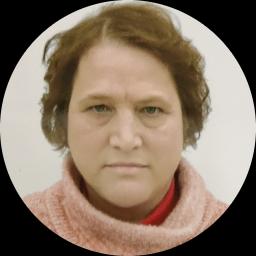
About Patricia
She uses straightforward conversation to learn what matters most to each person. Sessions emphasize real-life strategies drawn from cognitive and relational approaches. Patricia adapts the plan as needs change, keeping things concrete and goal-focused.
Her approach blends Cognitive Behavioral Therapy, Emotionally-Focused principles, the Gottman Method, mindfulness practices, Motivational Interviewing, and narrative techniques. That mix is used to tackle patterns of thinking, improve emotional connection, and sharpen communication skills.
Patricia has four years of clinical experience and works with adults on issues like parenting stress, fatherhood concerns, communication problems, and family difficulties. She aims to create a respectful, compassionate space where people can talk through hard decisions and learn practical tools.
She asks new clients to use the site's Start Therapy flow to begin. The intake keeps things simple: a short matching questionnaire and scheduling based on therapist availability. Patricia encourages people to reach out when they are ready to begin working toward clearer next steps.
License and NPI on record
- LMFT
- Washington · LF61236100
- NPI
- 1225504137
As listed on the therapist's profile. A license can be checked with the state board, and an NPI with the national NPI registry.
Areas of expertise
Primary focus
Additional focus areas
Therapeutic approaches
Experience
4+ years
Credentials
Washington
Languages
English
How specific approaches shape online work
Patricia uses Cognitive Behavioral Therapy to help people spot and change unhelpful thinking and behavior patterns. CBT often involves setting small goals, trying new actions between sessions, and tracking what helps reduce symptoms.She also draws on Emotionally-Focused Therapy ideas to address how emotions and connection affect relationships. EFT-style work helps people name difficult feelings, understand attachment needs, and practice different ways of responding to partners and family members.
Finding the right approach is part of the process. Patricia will work together with each person to decide which methods fit their goals and preferences. That plan can shift as progress is made and circumstances change.
Confirm current session options before booking so you know how sessions are offered. Many people find online sessions useful because they fit more easily into a busy day, reduce travel time, and make it simpler to keep regular appointments. Others appreciate shorter check-ins when schedules are tight, or methods like mindfulness exercises that can be practiced between meetings. Licensed professionals can adapt exercises and communication skills to work in a virtual setting, helping clients apply new habits to everyday life.
Frequently asked questions
What kinds of issues can Patricia help with?
She supports people dealing with stress, anxiety, depression, relationship strain, parenting concerns, and separation or divorce issues.
How would you describe her therapy style?
Her style is direct and practical with compassionate listening. She tailors conversations and goals to each person's situation.
What experience does she bring to sessions?
She has four years of professional experience working as a licensed Marriage and Family Therapist in Washington.
What are her credentials and where is she located?
She is an LMFT licensed in Washington and practices from that state.
Which languages are offered for sessions?
Sessions are offered in English.
Can people outside the U.S. work with her?
She does not accept international clients at this time.
How are costs and billing handled?
Fees vary by location and therapist availability; sessions use a subscription that can be canceled at any time.
What steps start the process of working together?
Select the Start Therapy button, complete a short matching questionnaire, and schedule according to therapist availability.
Good to know
Therapists listed here offer talking therapy online. It is not legal, financial or custody advice, and no therapist can promise how a separation or a relationship will turn out.
If you are not safe at home, or someone is hurting or threatening you, contact emergency services or a domestic-abuse helpline. The numbers are at the foot of this page.