
Sahra Robinson
LCSWNew York · 24 yrs exp
Practical, steady support for life changes
Stress, Anxiety · Relationship · Anger · Self esteem · +12 more
Read profileTherapist directory · United States, United Kingdom and Australia
Need help now?Therapist listings are provided by BetterHelp. We will earn a commission at no extra cost to you if you use our links to buy.
Compare profiles of professionals who list Communication Problems to see approaches, credentials, languages and listed location information relevant to divorce, separation and starting over. Browse the profiles below to learn about practitioner style, focus areas and experience so you can choose who to contact.
New York · 24 yrs exp
Practical, steady support for life changes
Stress, Anxiety · Relationship · Anger · Self esteem · +12 more
Read profile
Oregon · 14 yrs exp
Supportive counselor helping people through life changes
Grief · Self esteem · Career · Depression · +8 more
Read profile
Wisconsin · 8 yrs exp
Relationship-focused LPC helping through life changes
Relationship · Intimacy-related issues · Coping with life changes · Stress, Anxiety · +8 more
Read profile
Michigan · 35 yrs exp
Calm guidance through life transitions
Stress, Anxiety · Addictions · Trauma and abuse · Self esteem · +3 more
Read profile
Illinois · 28 yrs exp
Gentle, faith-aware counseling for life's transitions
Stress, Anxiety · Relationship · Grief · Self esteem · +8 more
Read profile
Indiana · 11 yrs exp
Skilled LCSW helping people through life changes
Stress, Anxiety · Grief · Depression · Coping with life changes · +8 more
Read profile
South Dakota · 12 yrs exp
Practical, steady support for life transitions
Stress, Anxiety · Relationship · Family · Trauma and abuse · +13 more
Read profile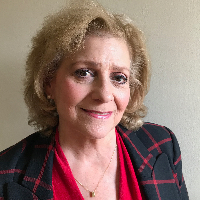
Pennsylvania · 21 yrs exp
Compassionate counselor helping people move forward
Stress, Anxiety · Relationship · Family · Self esteem · +12 more
Read profile
Wisconsin · 11 yrs exp
Practical, steady guidance through life changes
Stress, Anxiety · Family · Trauma and abuse · Depression · +12 more
Read profile
Texas · 30 yrs exp
Helping people navigate life transitions
Stress, Anxiety · Relationship · Grief · Self esteem · +8 more
Read profile
New York · 13 yrs exp
Practical support for life transitions
Stress, Anxiety · Self esteem · Depression · Coping with life changes · +8 more
Read profile
Oregon · 17 yrs exp
Compassionate therapy with practical tools
Stress, Anxiety · Trauma and abuse · Grief · Intimacy-related issues · +1 more
Read profile
Louisiana · 15 yrs exp
Calm, practical support through life changes
Stress, Anxiety · Trauma and abuse · Grief · Self esteem · +1 more
Read profile
Texas · 10 yrs exp
Compassionate counselor for life transitions
Stress, Anxiety · Grief · Depression · Coping with life changes
Read profile
New York · 18 yrs exp
Supportive counselor for life and relationship challenges
Stress, Anxiety · Relationship · Parenting · Anger · +1 more
Read profile
Texas · 3 yrs exp
Thought-focused counseling with practical tools
Stress, Anxiety · Addictions · Relationship · Family · +5 more
Read profile
Florida · 20 yrs exp
Compassionate therapist for life's transitions
Stress, Anxiety · Trauma and abuse · Anger · Self esteem · +1 more
Read profile
Michigan · 5 yrs exp
Compassionate therapist focused on real-life change
Stress, Anxiety · Addictions · Relationship · Family · +1 more
Read profile
Texas · 12 yrs exp
Straightforward support for relationship and trauma issues
Relationship · Trauma and abuse · Intimacy-related issues · Parenting · +1 more
Read profile
Michigan · 6 yrs exp
Practical, steady support for life transitions
Stress, Anxiety · Relationship · Self esteem · Depression · +7 more
Read profile
Georgia · 11 yrs exp
Practical, skills-based support for life transitions
Addictions · Relationship · Trauma and abuse · Bipolar · +1 more
Read profile
Missouri · 13 yrs exp
Help for stress, anxiety, and separation
Stress, Anxiety · Addictions · Relationship · Family · +6 more
Read profile
Missouri · 23 yrs exp
Compassionate, practical help for life transitions
Stress, Anxiety · Relationship · Trauma and abuse · Depression · +9 more
Read profile
Nevada · 25 yrs exp
Therapist focused on relationship repair
Stress, Anxiety · Relationship · Family · Trauma and abuse · +1 more
Read profileWhen a relationship ends you may find everyday conversations feel charged in ways they did not before. Grief, anger, uncertainty and the practical demands of new routines can make simple exchanges escalate into conflict or withdrawal. You might experience difficulty saying what you mean without blaming, trouble listening when the other person is upset, or repeated misunderstandings that make co-parenting or dividing responsibilities harder. Communication problems can also appear as avoidance, frequent arguing, or a sense that your needs are not being heard. None of this proves a single cause of the separation, but it does shape how you and others move forward.
Understanding these patterns can help you decide what kind of support to look for. Some people want help managing strong emotions so conversations are less reactive. Others are trying to set boundaries, negotiate arrangements, or rebuild daily routines after moving out or changing households. If children are involved, communication around schedules, rules and contact can add another layer of stress. Take a moment to identify the moments that feel most difficult for you - whether those are heated exchanges, silent treatment, or repeated misunderstandings - and use that clarity when you read profiles and reach out.
Communication challenges are often part of the broader experience of separating, but they are not the sole cause of every breakup and they do not determine a single outcome. For some people improving communication helps reduce conflict and make co-parenting more manageable. For others, communication work is one element among legal, financial and logistical steps you must take. If your situation involves custody disputes, property division or court processes, speak with a solicitor or attorney about those matters. Online talk therapy is not legal, financial or custody advice, and a therapist cannot replace specialist legal guidance.
If you feel unsafe at home, contact emergency services in your area immediately - for example 911 in the United States, 999 in the United Kingdom, or 000 in Australia - and reach out to local domestic-abuse helplines. A therapist can discuss safety planning as part of care, but urgent danger requires emergency responders or specialist domestic support services. When you review profiles on this site, keep in mind that listing Communication Problems as a focus area indicates the practitioner has chosen to include that topic among their work; it is not evidence of a particular certification or outcome.
When you look at a profile, think about the practical questions that will clarify fit for you. Ask how a practitioner typically works with people dealing with separation-related communication challenges and whether they have experience supporting co-parenting conversations. You can ask what kinds of approaches they list on their profile - for example, therapists who list EMDR among their approaches, or those who list narrative or cognitive-behavioural approaches - and how they adapt those approaches to conflict or grief. A useful question is how they support clients in managing strong emotions during conversations, and whether they help you develop concrete communication tools for real-world interactions.
Also ask about professional credentials in a way that matters for your situation. Degrees such as PhD, PsyD, MD, MA or MSW are academic qualifications and do not by themselves show permission to practise. In the United States you may look for information about state licensing such as LCSW, LMFT, LPC or equivalent credentials. In the United Kingdom it is common to see registration or membership mentions such as registration with the Health and Care Professions Council or membership of professional associations. In Australia relevant wording can include AHPRA registration or membership in national counselling associations. Ask how their qualifications relate to practice where you live, because rules differ by jurisdiction and a degree alone does not guarantee current permission to practise in every country.
If you are considering online sessions, it is important to clarify practical and safety details upfront. Discuss with a practitioner how they handle session logistics, what platform will be used, and what privacy protections and limits to information-sharing boundaries apply in their jurisdiction. Talk about emergency planning - who you would contact locally if you were in immediate danger - and make sure the clinician knows your listed location so they can advise appropriately about local resources. Ask how they manage situations where one partner is joining from a different country, or where you might need documentation from a clinician for court or mediation; therapists vary in how they handle such requests and whether they can provide reports or attend meetings with legal professionals.
Make clear what you expect from remote work - whether you want help practicing conversations, setting boundaries with an ex-partner, or coping with grief and loss. If there are children involved, discuss how you prefer to involve them, if at all, and whether the clinician has experience supporting separated parents. Remember that online care does not replace legal or financial advice, so if you need assistance with custody, property division or court paperwork, a solicitor or attorney is the appropriate professional to consult.
Profiles give you multiple points of comparison that go beyond a headline focus. Look at the specific focus areas listed alongside Communication Problems - for instance, some practitioners may also list grief, co-parenting, anger management or trauma. Those combinations can indicate whether the person frames communication difficulties as primarily emotional, practical or relational. Pay attention to languages offered if you prefer to speak in a language other than the dominant one in your region; effective communication in therapy is often easier in your primary language.
Consider the way a profile describes practitioner style and approach. Some profiles emphasize pragmatic skills for managing conversations, while others highlight emotional processing or identity rebuilding after separation. When a profile lists therapy approaches, treat those as options to discuss rather than guarantees of specific outcomes. You might inquire about how a practitioner balances talking about feelings with role-playing or rehearsing difficult conversations, and how they measure progress in ways that matter to you. Also take note of listed location details for jurisdictional clarity and any mention of working with court-related processes if that is relevant, but do not assume that listing a focus area means a practitioner will write reports or give testimony. Ultimately, use the profile information to form precise questions and then reach out to discuss fit in more detail.
Searching for support after a split can feel overwhelming, but comparing profiles carefully helps you focus on what matters: the kinds of communication challenges you face, the styles and languages that feel comfortable, and the credentials or regulatory standing that apply where you live. If you are unsure about legal or custody matters, consult a solicitor or attorney. If you are in immediate danger, call local emergency services and domestic-abuse helplines. Otherwise, use the profiles on this site as a starting point to contact practitioners and explore who might help you navigate conversations, set new routines and begin rebuilding your life after divorce or separation.
Alabama
46 therapists
Alaska
9 therapists
Arizona
39 therapists
Arkansas
22 therapists
Australia
100 therapists
California
319 therapists
Colorado
53 therapists
Connecticut
36 therapists
Delaware
7 therapists
District of Columbia
7 therapists
Florida
211 therapists
Georgia
59 therapists
Hawaii
8 therapists
Idaho
8 therapists
Illinois
120 therapists
Indiana
57 therapists
Iowa
18 therapists
Kansas
35 therapists
Kentucky
31 therapists
Louisiana
64 therapists
Maine
12 therapists
Maryland
54 therapists
Massachusetts
59 therapists
Michigan
145 therapists
Minnesota
36 therapists
Mississippi
32 therapists
Missouri
70 therapists
Montana
13 therapists
Nebraska
18 therapists
Nevada
19 therapists
New Hampshire
8 therapists
New Jersey
70 therapists
New Mexico
13 therapists
New York
223 therapists
North Carolina
75 therapists
North Dakota
5 therapists
Ohio
94 therapists
Oklahoma
48 therapists
Oregon
20 therapists
Pennsylvania
118 therapists
Rhode Island
4 therapists
South Carolina
35 therapists
South Dakota
4 therapists
Tennessee
50 therapists
Texas
386 therapists
United Kingdom
747 therapists
Utah
19 therapists
Vermont
10 therapists
Virginia
52 therapists
Washington
41 therapists
West Virginia
7 therapists
Wisconsin
56 therapists
Wyoming
6 therapists