
Khalid Greenaway
LPCNorth Carolina · 20 yrs exp
Person-centered counselor using practical skills
Stress, Anxiety · Relationship · Family · Self esteem · +9 more
Read profileTherapist directory · United States, United Kingdom and Australia
Need help now?Therapist listings are provided by BetterHelp. We will earn a commission at no extra cost to you if you use our links to buy.
Browse profiles listed in this North Carolina location to compare therapists who list divorce, separation and starting over among their focus areas.
Compare focus areas, approaches, languages and credentials, then open profiles to learn more and confirm a therapist's permission to work with you where you live.
North Carolina · 20 yrs exp
Person-centered counselor using practical skills
Stress, Anxiety · Relationship · Family · Self esteem · +9 more
Read profile
North Carolina · 12 yrs exp
Compassionate counselor focused on practical change
Stress, Anxiety · Relationship · Parenting · Depression · +9 more
Read profile
North Carolina · 10 yrs exp
Relationship-focused counselor offering steady support
Relationship · Intimacy-related issues · Coping with life changes · Family · +2 more
Read profile
North Carolina · 9 yrs exp
Compassionate, practical support for life changes
Stress, Anxiety · Relationship · Family · Trauma and abuse · +1 more
Read profile
North Carolina · 8 yrs exp
Practical support for grief and life changes
Grief · Anger · Self esteem · Depression · +1 more
Read profile
North Carolina · 12 yrs exp
Compassionate support through life transitions
Stress, Anxiety · Relationship · Self esteem · Depression · +1 more
Read profile
North Carolina · 16 yrs exp
Compassionate, practical help for life changes
Addictions · Trauma and abuse · Self esteem · Coping with life changes · +1 more
Read profile
North Carolina · 3 yrs exp
Calm support for life transitions
Stress, Anxiety · LGBT · Relationship · Self esteem · +1 more
Read profile
North Carolina · 15 yrs exp
Support for stress and life changes
Stress, Anxiety · Grief · Depression · Coping with life changes · +1 more
Read profile
North Carolina · 5 yrs exp
Practical, compassionate support through major life changes
Stress, Anxiety · Addictions · Trauma and abuse · Self esteem · +1 more
Read profile
North Carolina · 3 yrs exp
Practical support for life transitions
Stress, Anxiety · Grief · Anger · Depression · +1 more
Read profile
North Carolina · 11 yrs exp
Compassionate, practical counseling for life changes
Stress, Anxiety · Relationship · Self esteem · Coping with life changes · +1 more
Read profile
North Carolina · 13 yrs exp
Practical support for life transitions and emotional recovery
Stress, Anxiety · Relationship · Grief · Depression · +1 more
Read profile
North Carolina · 12 yrs exp
Practical support for stressful life transitions
Stress, Anxiety · Relationship · Family · Grief · +1 more
Read profile
North Carolina · 18 yrs exp
Therapist for life transitions
Stress, Anxiety · Relationship · Grief · Depression · +1 more
Read profile
North Carolina · 11 yrs exp
Compassionate counselor for life transitions
Stress, Anxiety · Relationship · Family · Parenting · +6 more
Read profile
North Carolina · 12 yrs exp
Compassionate, practical counseling for life changes
Stress, Anxiety · Relationship · Self esteem · Depression · +3 more
Read profile
North Carolina · 6 yrs exp
Guiding steady change after major life shifts
Stress, Anxiety · Self esteem · Career · Depression · +4 more
Read profile
North Carolina · 18 yrs exp
Practical therapy for relationship and life transitions
Addictions · Relationship · Self esteem · Career · +1 more
Read profile
North Carolina · 13 yrs exp
Compassionate therapist for life transitions
Relationship · Trauma and abuse · Self esteem · Depression · +1 more
Read profile
North Carolina · 13 yrs exp
Compassionate social worker for life transitions
Stress, Anxiety · Addictions · Trauma and abuse · Parenting · +1 more
Read profile
North Carolina · 7 yrs exp
Practical, person-centered help for major life changes
Stress, Anxiety · LGBT · Relationship · Trauma and abuse · +1 more
Read profile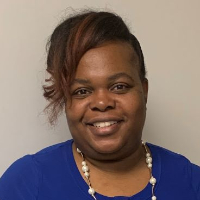
North Carolina · 21 yrs exp
Experienced counselor for life transitions
Stress, Anxiety · Relationship · Family · Anger · +6 more
Read profile
North Carolina · 22 yrs exp
Calm guidance through life transitions
Stress, Anxiety · Relationship · Grief · Coping with life changes · +9 more
Read profileIf you are navigating the end of a relationship, you are likely dealing with a mixture of grief, anger, relief, uncertainty and practical disruption. Those feelings can arrive in waves and show up as trouble sleeping, difficulties concentrating, sudden irritability, or a numbness that makes decision-making hard. You may be juggling co-parenting arrangements, negotiating financial changes, moving households or relearning daily routines. These practical challenges often interact with emotional wounds, so that paperwork and parenting schedules are both logistical tasks and triggers for hurt or old conflicts.
When you look at profiles, look for language that aligns with what you are feeling and facing. Some therapists list work with grief and loss, others note co-parenting transitions, conflict management, or rebuilding identity after separation. None of those listings guarantees an outcome, but they can signal the kinds of conversations you can raise in an initial contact. If you are experiencing thoughts of harming yourself or someone else, or you are in immediate danger at home, contact emergency services and domestic-abuse helplines right away. For legal questions about custody, separation agreements or finances, consult a solicitor or attorney rather than relying on talk therapy for legal advice.
Profiles in this section are grouped under a listed location of North Carolina. That grouping helps you find professionals associated with the state, but it is not evidence of an office address, ongoing in-person practice, or an active permission to work with residents where you live. Always open an individual profile and read the details. The profile should indicate degrees, any professional licenses or registrations, and the geographic areas where the practitioner is permitted to work. If that information is not clear, ask the person or their practice directly before beginning care.
Degrees such as PhD, PsyD, MD, MA or MSW describe academic qualifications and do not by themselves prove a right to practice. In the United States look for a state professional license designation and confirm that it is current for the state where you live. In the United Kingdom and Australia, practitioners may list registration with a regulator or membership in a professional body; these are not the same as a US state license but are relevant indicators of professional standing in those countries. A profile that lists an approach or therapeutic model does not prove specialized training or certification in that approach. Use the profile as a starting point for questions about credentials and permission to work with you in your jurisdiction.
When you contact a therapist or open a profile, prepare concrete questions that focus on the fit between your needs and the therapist's practice. You might ask how much experience they have working with people navigating separation, divorce or co-parenting transitions and whether they have worked with issues similar to yours - for example managing conflict with an ex-partner, processing betrayal, or rebuilding social supports. Ask how they describe their typical session when helping someone through these issues. Some therapists list approaches such as emotion-focused work, cognitive behavioral therapy, narrative therapy, trauma-informed care or approaches that include EMDR among their tools; these are conversation starters, not proof of a specific credential. Invite the therapist to explain how they apply those approaches to separation-related concerns.
Also ask about cultural competence and language options if these matter for you. Practical questions about session length, the therapist's communication style, and whether they work with individuals, parents or couples can help you decide whether to read further. If your needs include advice on legal or financial matters, ask how a therapist typically supports clients while making clear that they will refer you to a solicitor or attorney for formal legal guidance. Remember that a profile cannot replace a direct conversation about scope and experience, so use your questions to shape that conversation.
If you are considering online therapy, confirm whether the therapist lists permission to provide services to clients in North Carolina or in your specific location. Legal and regulatory rules about providing care across state or national lines vary, and a profile grouping under a listed location does not automatically mean the practitioner can work with you remotely. Ask the therapist how they handle jurisdictional limits and what steps they take to confirm they can practice with clients where they live. Clarify technology questions such as platform preferences, how they protect client privacy, and what contingency plans they have if a connection drops during a session.
Discuss safety planning before starting online care so you both know what to do if you experience a crisis during a session. Ask how the therapist manages emergencies and whether they will provide resources or referrals in your area if needed. If your situation involves domestic abuse or you are unsafe at home, contact emergency services and domestic-abuse helplines for immediate help; online care is not a substitute for immediate safety assistance. Also be clear that online conversations do not constitute legal, financial or custody advice, and that you should seek a solicitor or attorney for matters that require formal legal guidance.
Comparing profiles effectively means looking for the details that matter most to your situation. Focus areas listed on profiles - such as divorce, separation, co-parenting, grief or relationship conflict - tell you what topics the therapist highlights. Approach descriptions indicate the ways a therapist might work with those topics, but those descriptions vary in specificity and are best explored in conversation. Pay attention to the combination of focus and approach. For example, a therapist who lists co-parenting and conflict work and also mentions a trauma-informed stance may describe sessions that balance practical communication skills with emotional processing.
Language options matter if you prefer to work in a language other than English, or if cultural understanding is important to you. Read the profile language notes and ask follow-up questions about cultural experience and approach. Credentials and professional standing should be checked with questions about degrees and about the type of license, registration or membership the practitioner holds and the jurisdiction where that permission applies. Finally, consider the clinician's described style - whether they emphasize short-term practical strategies, longer-term emotional exploration, or a blend - and imagine how that style would fit your needs right now. Profiles are an invitation to a conversation, not a guarantee of fit, so use them to narrow choices and then reach out to learn whether a deeper connection is possible.
Anger
1186 therapists
Control Issues
1538 therapists
Depression
2851 therapists
Domestic Violence
742 therapists
Grief
1834 therapists
Guilt and Shame
2613 therapists
Intimacy Issues
934 therapists
Isolation / Loneliness
2393 therapists
Midlife Crisis
1173 therapists
Panic Disorder and Panic Attacks
1526 therapists
Post-Traumatic Stress
1908 therapists
Self Esteem
2614 therapists
Social Anxiety and Phobia
2179 therapists
Stress & Anxiety
3449 therapists
Trauma and Abuse
2204 therapists
Abandonment
1467 therapists
Aging and Geriatric Issues
392 therapists
Attachment Issues
1829 therapists
Blended Family Issues
911 therapists
Caregiver Issues and Stress
1491 therapists
Codependency
818 therapists
Commitment Issues
722 therapists
Communication Problems
3005 therapists
Coping with Life Changes
2333 therapists
Divorce
3798 therapists
Family
1866 therapists
Family of Origin Issues
718 therapists
Fatherhood Issues
407 therapists
Forgiveness
2308 therapists
Infidelity
836 therapists
Jealousy
587 therapists
Life Purpose
2665 therapists
Money and Financial Issues
663 therapists
Parenting
1382 therapists
Relationship
2792 therapists
Self-Love
2684 therapists
Separation
3798 therapists