
Sahra Robinson
LCSWNew York · 24 yrs exp
Practical, steady support for life changes
Stress, Anxiety · Relationship · Anger · Self esteem · +12 more
Read profileTherapist directory · United States, United Kingdom and Australia
Need help now?Therapist listings are provided by BetterHelp. We will earn a commission at no extra cost to you if you use our links to buy.
This page groups mental health professionals who list intimacy issues among their focus areas and who also work with people affected by divorce, separation or starting over. Use the profiles to compare listed location, focus areas, professional credentials, languages and therapeutic approaches, then browse to contact someone whose experience matches your needs.
New York · 24 yrs exp
Practical, steady support for life changes
Stress, Anxiety · Relationship · Anger · Self esteem · +12 more
Read profile
Hawaii · 7 yrs exp
Compassionate, practical support through separation
Stress, Anxiety · Addictions · Relationship · Family · +11 more
Read profile
Wisconsin · 8 yrs exp
Relationship-focused LPC helping through life changes
Relationship · Intimacy-related issues · Coping with life changes · Stress, Anxiety · +8 more
Read profile
Oklahoma · 30 yrs exp
Supportive counselor for life transitions
Stress, Anxiety · Grief · Intimacy-related issues · Depression · +8 more
Read profile
Pennsylvania · 16 yrs exp
Person-centered counselor focused on practical change
Stress, Anxiety · Relationship · Family · Trauma and abuse · +11 more
Read profile
North Carolina · 20 yrs exp
Person-centered counselor using practical skills
Stress, Anxiety · Relationship · Family · Self esteem · +9 more
Read profile
Illinois · 28 yrs exp
Gentle, faith-aware counseling for life's transitions
Stress, Anxiety · Relationship · Grief · Self esteem · +8 more
Read profile
South Dakota · 12 yrs exp
Practical, steady support for life transitions
Stress, Anxiety · Relationship · Family · Trauma and abuse · +13 more
Read profile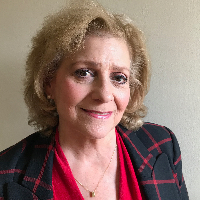
Pennsylvania · 21 yrs exp
Compassionate counselor helping people move forward
Stress, Anxiety · Relationship · Family · Self esteem · +12 more
Read profile
Wisconsin · 11 yrs exp
Practical, steady guidance through life changes
Stress, Anxiety · Family · Trauma and abuse · Depression · +12 more
Read profile
Mississippi · 9 yrs exp
Practical person-centered therapy for life transitions
Stress, Anxiety · Trauma and abuse · Parenting · Anger · +13 more
Read profile
Texas · 30 yrs exp
Helping people navigate life transitions
Stress, Anxiety · Relationship · Grief · Self esteem · +8 more
Read profile
Oregon · 17 yrs exp
Compassionate therapy with practical tools
Stress, Anxiety · Trauma and abuse · Grief · Intimacy-related issues · +1 more
Read profile
California · 11 yrs exp
Calm, practical support through life change
Stress, Anxiety · LGBT · Grief · Intimacy-related issues · +4 more
Read profile
Texas · 12 yrs exp
Straightforward support for relationship and trauma issues
Relationship · Trauma and abuse · Intimacy-related issues · Parenting · +1 more
Read profile
Missouri · 13 yrs exp
Help for stress, anxiety, and separation
Stress, Anxiety · Addictions · Relationship · Family · +6 more
Read profile
Missouri · 23 yrs exp
Compassionate, practical help for life transitions
Stress, Anxiety · Relationship · Trauma and abuse · Depression · +9 more
Read profile
Illinois · 23 yrs exp
Compassionate therapist for major life changes
Stress, Anxiety · Trauma and abuse · Anger · Depression · +10 more
Read profile
Ohio · 13 yrs exp
Compassionate counselor for life transitions
Stress, Anxiety · Addictions · Family · Self esteem · +11 more
Read profile
Wisconsin · 18 yrs exp
Practical, compassionate support for life transitions
Stress, Anxiety · Parenting · Self esteem · Depression · +11 more
Read profile
Illinois · 34 yrs exp
Practical therapy for stress and relationship change
Stress, Anxiety · Relationship · Grief · Self esteem · +11 more
Read profile
Illinois · 3 yrs exp
Practical support for life changes and trauma
Stress, Anxiety · Addictions · LGBT · Relationship · +10 more
Read profile
Nevada · 17 yrs exp
Compassionate practical therapy for life changes
Stress, Anxiety · Relationship · Intimacy-related issues · Self esteem · +3 more
Read profile
California · 30 yrs exp
Calm, experienced support through major life changes
Family · Trauma and abuse · Grief · Parenting · +9 more
Read profileWhen a relationship ends you may notice changes in how you relate to others and to your own body. You might experience a decrease in desire, anxiety about new sexual or emotional connections, difficulty trusting new partners, or questions about boundaries and consent. Some people feel numb or avoidant, while others find themselves clinging to patterns that no longer serve them. Grief, anger and uncertainty about the future can amplify these responses and make it harder to feel close, even in friendships. If you are co-parenting, changes in romantic life can interact with custody routines, new household arrangements and shifting schedules, creating practical and emotional stressors that affect intimacy.
It is normal for these reactions to vary in intensity and duration. You may be working through old wounds, coping with betrayal, or learning how to express needs after years of suppressing them. In some cases trauma history or ongoing safety concerns play a significant role in how intimacy feels. If you are experiencing threats to your safety at home, getting immediate help is the priority - call local emergency services (for example 911 in the US, 999 in the UK, 000 in Australia) and contact domestic-abuse helplines in your area for support. For legal questions about custody, separation agreements or finances, consult a solicitor or attorney in your jurisdiction rather than relying on therapy for legal advice.
Intimacy issues and relationship transitions often occur alongside one another, but one does not automatically cause the other. Separation can bring up identity questions about who you are when you are not part of a couple, and that shift can change how you want closeness to look. Some people find renewed sexual expression as they start over, while others discover lowered libido, fear of rejection or difficulty forming new attachments. The directory groups profiles that list both divorce or separation and intimacy issues so you can find professionals who indicate experience engaging with these intersecting concerns. That connection in a profile is not a certification that the clinician specializes solely in post-separation intimacy work; it is a starting point for conversation.
Rebuilding life after a breakup often involves practical changes - different living arrangements, co-parenting schedules, financial adjustments - and those changes can affect your time, energy and emotional bandwidth for intimacy. You may also be navigating dating platforms, blending families or introducing a new partner to children. All of these factors shape the questions you bring to therapy. When you browse profiles, look for clues about whether a person's listed approach, languages and experience align with the specific transitions you are facing, and plan to ask direct questions during an initial contact to clarify scope and fit.
When you find a profile that feels relevant, prepare a few concrete questions to help you understand how a clinician works and whether their focus matches your priorities. Ask about their experience working with people who are navigating divorce or separation and who also list intimacy issues as a focus. Ask whether they have experience with concerns similar to yours - for example low desire after a breakup, sexual anxiety, rebuilding trust, navigating intimacy while co-parenting, or reconnecting with your own body after grief.
Ask how they describe their therapeutic approach and what that might look like in sessions. Some therapists list cognitive-behavioral approaches among their methods, others describe emotion-focused or psychodynamic perspectives, and some list somatic or mindfulness-informed work. Use language like "I see you list X among your approaches - how might that be applied to intimacy concerns after separation?" to get practical examples rather than labels alone. Clarify whether they work with individuals, couples or families, since a focus on intimacy does not guarantee work with couples or with children. Also ask about session structure and typical goals people set when addressing intimacy problems in the context of separation or starting over.
If you are considering online or remote sessions, there are specific topics to cover before you start. Confirm what communication channels they use for scheduling and how they handle messages between sessions. Ask how they manage emergencies when you are not in the same jurisdiction - an online clinician cannot provide legal or emergency services remotely, so you should agree on what to do locally if a crisis occurs. Make a plan for what steps to take if you feel unsafe during or between sessions, and identify local resources you can contact. If you are in immediate danger at home, call emergency services and domestic-abuse helplines right away.
Discuss the environment you'll need for sessions so you can talk openly - for example whether you can be in a room where others will not overhear or interrupt you. Some people prefer a neutral setting or a parked car when at home with family members. If you are co-parenting, consider how scheduling fits around custody routines. You should also ask about record keeping, how clinical notes are stored, and whether the clinician is legally permitted to practice for clients in your country or state. Online therapy is not a substitute for legal, financial or custody advice, so follow up with a solicitor or attorney when those issues arise in your life.
Use the profiles to narrow your search by specific concerns, but remember that headline items rarely tell the whole story. Focus areas can indicate familiarity with common themes - for example grief, anger, sexual concerns, trust rebuilding or co-parenting - and you can use those cues to prioritize profiles to contact. Pay attention to the languages a clinician lists if communicating in your preferred language matters to you. Language concordance can influence nuance and comfort when discussing sensitive topics.
When you look at credentials, separate academic degrees from professional permissions to practice. Degrees such as PhD, PsyD, MD, MA or MSW indicate educational background but do not by themselves confirm current permission to practice. In the United States clinicians often work under state licenses such as licensed clinical social worker, licensed professional counselor or licensed marriage and family therapist. In the United Kingdom and Australia practitioners may be registered or members of national professional organizations or regulatory bodies. Profiles may list these terms; if you need clarification, ask the clinician to explain whether they are licensed, registered or members of particular professional bodies in the listed location.
Finally, consider style and tone as reflected in profiles and early communications. Do they emphasize practical skill-building, emotional processing, body-centered work or relational patterns? Reach out with concrete scenarios and note how they respond. A way of working that feels explorative and patient may suit you if you are processing long-term wounds. A clinician who frames short-term strategies and homework may be a fit if you are juggling busy schedules and co-parenting obligations. Use the profiles as a tool to find professionals who list the focus and approach that resonate with your goals, then discuss specific experience and scope before beginning care.
Alabama
46 therapists
Alaska
9 therapists
Arizona
39 therapists
Arkansas
22 therapists
Australia
100 therapists
California
319 therapists
Colorado
53 therapists
Connecticut
36 therapists
Delaware
7 therapists
District of Columbia
7 therapists
Florida
211 therapists
Georgia
59 therapists
Hawaii
8 therapists
Idaho
8 therapists
Illinois
120 therapists
Indiana
57 therapists
Iowa
18 therapists
Kansas
35 therapists
Kentucky
31 therapists
Louisiana
64 therapists
Maine
12 therapists
Maryland
54 therapists
Massachusetts
59 therapists
Michigan
145 therapists
Minnesota
36 therapists
Mississippi
32 therapists
Missouri
70 therapists
Montana
13 therapists
Nebraska
18 therapists
Nevada
19 therapists
New Hampshire
8 therapists
New Jersey
70 therapists
New Mexico
13 therapists
New York
223 therapists
North Carolina
75 therapists
North Dakota
5 therapists
Ohio
94 therapists
Oklahoma
48 therapists
Oregon
20 therapists
Pennsylvania
118 therapists
Rhode Island
4 therapists
South Carolina
35 therapists
South Dakota
4 therapists
Tennessee
50 therapists
Texas
386 therapists
United Kingdom
747 therapists
Utah
19 therapists
Vermont
10 therapists
Virginia
52 therapists
Washington
41 therapists
West Virginia
7 therapists
Wisconsin
56 therapists
Wyoming
6 therapists