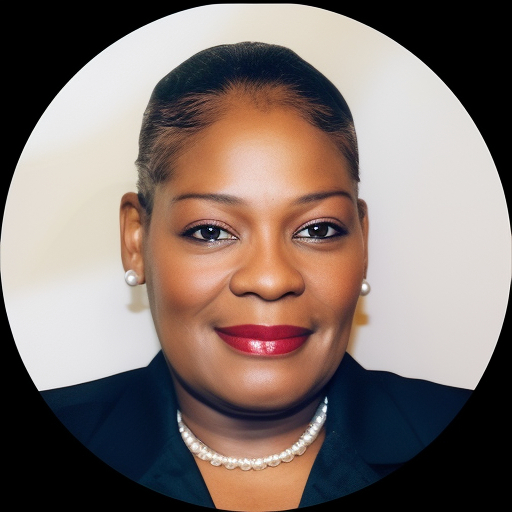
- Compassionate listener
- Practical coping skills
- Divorce and separation focus
About Tywania
Her work often centers on practical skills. She helps people build coping strategies for day-to-day stress and strengthen communication when relationships feel strained. She also supports those processing separation or divorce and the emotional fallout that can follow.
Tywania places emphasis on self-compassion and healing from guilt and shame. She helps clients notice patterns that make life harder and practices new ways of responding. Sessions include straightforward tools to reduce overwhelm and improve mood.
She draws on evidence-based therapeutic techniques and adapts them to each person. The therapist works collaboratively, matching approaches to what a client needs and prefers. Cultural background and personal beliefs are treated with respect throughout care.
With three years of clinical experience as an LCSW, Tywania aims to create a calm, open space for change. People who want clear, practical steps and a supportive listener may find her style helpful. To begin, readers should use the Start Therapy button and follow the matching process to schedule a session.
License and NPI on record
- LCSW
- North Carolina · C018093
- NPI
- 1235884891
As listed on the therapist's profile. A license can be checked with the state board, and an NPI with the national NPI registry.
Areas of expertise
Primary focus
Additional focus areas
Experience
3+ years
Credentials
North Carolina
Languages
English
Evidence-based tools and online care that fit your life
Tywania uses evidence-based therapeutic techniques to guide sessions in clear, practical ways. One common approach focuses on teaching coping skills and emotion regulation so people can manage anxiety, stress, and intense emotions day to day. Another approach emphasizes improving communication and behavior patterns to reduce conflict and increase connection in relationships and the workplace.Choosing the right approach is a collaborative process. The therapist will work with each client to identify goals and try methods that match their needs and preferences. Together they track what helps and adjust the plan as progress is made.
Session formats were not specified in the profile, so confirm current options before booking. Online therapy can make it easier to fit sessions into a busy schedule, allow shorter check-ins when needed, and remove travel time. It can also support steady work on emotions and skills between major life changes like separation or workplace transitions.
Frequently asked questions
What concerns does this therapist address?
Work focuses include stress, anxiety, grief, anger, depression, and coaching for personal growth. Additional areas include caregiver stress, communication problems, divorce and separation, and workplace issues.
How would you describe the therapist's style?
The approach is collaborative and practical. Sessions emphasize skill-building, emotion regulation, and realistic steps to reduce daily overwhelm.
What is the clinician's background?
The therapist has three years of clinical experience working with adults on mood and life transition concerns.
What credentials and region are listed?
The clinician holds an LCSW license and practices in North Carolina.
Which languages are supported and are international clients accepted?
Sessions are offered in English and international clients are not currently accepted.
What session formats are offered?
Session formats were not specified in the profile; please confirm current session options before booking.
How is cost handled for sessions?
Cost varies with location and therapist availability, and sessions use a subscription that can be canceled at any time.
How do I begin working with this therapist?
Click the Start Therapy button, complete a short matching questionnaire, and schedule according to therapist availability.
Good to know
Therapists listed here offer talking therapy online. It is not legal, financial or custody advice, and no therapist can promise how a separation or a relationship will turn out.
If you are not safe at home, or someone is hurting or threatening you, contact emergency services or a domestic-abuse helpline. The numbers are at the foot of this page.