
Sahra Robinson
LCSWNew York · 24 yrs exp
Practical, steady support for life changes
Stress, Anxiety · Relationship · Anger · Self esteem · +12 more
Read profileTherapist directory · United States, United Kingdom and Australia
Need help now?Therapist listings are provided by BetterHelp. We will earn a commission at no extra cost to you if you use our links to buy.
Use the profiles below to compare therapists who list Blended Family Issues and related focus areas after divorce, separation or when you are starting over. You can browse by listed location, approaches, languages and credentials to find clinicians whose descriptions match what you need.
New York · 24 yrs exp
Practical, steady support for life changes
Stress, Anxiety · Relationship · Anger · Self esteem · +12 more
Read profile
Hawaii · 7 yrs exp
Compassionate, practical support through separation
Stress, Anxiety · Addictions · Relationship · Family · +11 more
Read profile
Wisconsin · 8 yrs exp
Relationship-focused LPC helping through life changes
Relationship · Intimacy-related issues · Coping with life changes · Stress, Anxiety · +8 more
Read profile
Pennsylvania · 16 yrs exp
Person-centered counselor focused on practical change
Stress, Anxiety · Relationship · Family · Trauma and abuse · +11 more
Read profile
Michigan · 35 yrs exp
Calm guidance through life transitions
Stress, Anxiety · Addictions · Trauma and abuse · Self esteem · +3 more
Read profile
Indiana · 11 yrs exp
Skilled LCSW helping people through life changes
Stress, Anxiety · Grief · Depression · Coping with life changes · +8 more
Read profile
Wisconsin · 11 yrs exp
Practical, steady guidance through life changes
Stress, Anxiety · Family · Trauma and abuse · Depression · +12 more
Read profile
Mississippi · 9 yrs exp
Practical person-centered therapy for life transitions
Stress, Anxiety · Trauma and abuse · Parenting · Anger · +13 more
Read profile
Texas · 30 yrs exp
Helping people navigate life transitions
Stress, Anxiety · Relationship · Grief · Self esteem · +8 more
Read profile
Oregon · 17 yrs exp
Compassionate therapy with practical tools
Stress, Anxiety · Trauma and abuse · Grief · Intimacy-related issues · +1 more
Read profile
Louisiana · 15 yrs exp
Calm, practical support through life changes
Stress, Anxiety · Trauma and abuse · Grief · Self esteem · +1 more
Read profile
Michigan · 5 yrs exp
Compassionate therapist focused on real-life change
Stress, Anxiety · Addictions · Relationship · Family · +1 more
Read profile
Texas · 12 yrs exp
Straightforward support for relationship and trauma issues
Relationship · Trauma and abuse · Intimacy-related issues · Parenting · +1 more
Read profile
Nevada · 25 yrs exp
Therapist focused on relationship repair
Stress, Anxiety · Relationship · Family · Trauma and abuse · +1 more
Read profile
Illinois · 23 yrs exp
Compassionate therapist for major life changes
Stress, Anxiety · Trauma and abuse · Anger · Depression · +10 more
Read profile
Texas · 6 yrs exp
Compassionate support for relationship and life changes
Relationship · Family · Parenting · Self esteem · +1 more
Read profile
Wisconsin · 18 yrs exp
Practical, compassionate support for life transitions
Stress, Anxiety · Parenting · Self esteem · Depression · +11 more
Read profile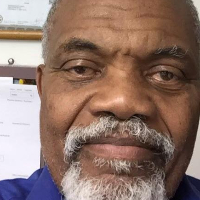
Illinois · 39 yrs exp
Calm, experienced LCSW for life transitions
Stress, Anxiety · Relationship · Grief · Sleeping · +1 more
Read profile
Texas · 15 yrs exp
Compassionate counselor for life transitions
Stress, Anxiety · Family · Parenting · Depression · +9 more
Read profile
Utah · 30 yrs exp
Compassionate clinician for life transitions
Stress, Anxiety · Trauma and abuse · Grief · Anger · +1 more
Read profile
Nevada · 17 yrs exp
Compassionate practical therapy for life changes
Stress, Anxiety · Relationship · Intimacy-related issues · Self esteem · +3 more
Read profile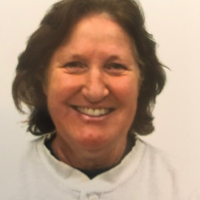
California · 30 yrs exp
Calm, experienced support through major life changes
Family · Trauma and abuse · Grief · Parenting · +9 more
Read profile
South Carolina · 28 yrs exp
Experienced LPC focused on relationships
Relationship · Grief · Intimacy-related issues · Parenting · +9 more
Read profile
North Carolina · 12 yrs exp
Compassionate counselor focused on practical change
Stress, Anxiety · Relationship · Parenting · Depression · +9 more
Read profileWhen families recombine after a separation or divorce you may find yourself navigating a mix of relief, grief and new stresses all at once. You can feel loyalty conflicts, anger about past choices, or uncertainty about new parenting roles. Stepchildren and biological children adjust at different speeds, and everyday routines that used to be familiar can become a source of tension. The work of building consistent boundaries, discipline and expectations across households often reveals underlying losses - not only of a relationship but of the family shape you once knew.
It is common to experience swings in mood and thinking as you adapt. You may be managing practical concerns such as co-parenting schedules, blended holidays and financial shifts while also dealing with emotional responses like sadness, shame or resentment. If conflict escalates into threats or physical danger, you should contact emergency services or a local domestic-abuse helpline immediately for help and safety planning. For matters that are legal in nature, such as custody or property arrangements, speak with a solicitor or attorney to get formal guidance rather than relying on counseling alone.
Blended family dynamics often appear alongside divorce and separation, but the presence of one does not always cause the other. Many clinicians in this directory list both Divorce and separation and Blended Family Issues among their focus areas because the concerns overlap - for example, co-parenting communication and stepfamily adjustment are common threads. That overlap can make profiles useful for people who are both recovering from a breakup and building a new family structure.
When you view profiles, keep in mind that a listed topic signals areas a clinician mentions in their description; it is not an assertion of a particular certification or outcome. If you want to work with children, couples or whole families, discuss that explicitly with any clinician you contact since a listed focus does not automatically mean they provide family therapy or work with minors. The directory includes professionals who practice in the United States, the United Kingdom and Australia, and the way practice permission is described varies by country. It is reasonable to ask about the clinician's scope of practice for your situation before you begin.
When you review a profile or reach out, asking specific questions helps you understand how a clinician might fit your needs. You could ask about experience with stepfamilies and the ages of children they commonly work with, whether they work with couples and ex-partners together or prefer individual sessions, and how they support co-parenting plans versus family therapy. If court-related matters are part of your situation, ask whether they have experience in cases where reports or testimony were requested, and then consult a solicitor or attorney for legal implications.
Ask how they describe their therapeutic style and what they list among their approaches. For example, some therapists list family systems among their approaches, others list emotion-focused work, and some list trauma-informed care. Use language like "therapists who list EMDR among their approaches" if you want to know whether a modality appears in their profile. Also ask practical questions about session structure - how they set goals, whether they involve children in sessions, and what supports they recommend between meetings. Remember that degrees such as PhD, PsyD, MD, MA or MSW indicate academic training; a degree does not by itself establish current permission to practice. In the United States inquire about the state license they hold. In the United Kingdom or Australia ask about registration or professional membership relevant to those countries.
If you plan to meet remotely, clarify several logistical and safety points first. Ask whether the clinician is permitted to provide care where you are located because rules about cross-border online care differ across regions and between the United States, the United Kingdom and Australia. Make sure you and the clinician agree on how information is recorded and shared and on the limits to information privacy and mandatory reporting rules that apply in your jurisdiction.
Talk about where you will attend sessions. Find a private space where you can speak without interruption and consider how to handle unexpected interruptions from family members or children. Agree on a back-up plan for technology disruptions and on how emergencies will be handled - confirm whether you will use local emergency numbers and who you can contact if you feel unsafe. For legal or custody questions that may come up during therapy, remember to consult a solicitor or attorney; online talking support is not a substitute for legal or financial advice. If you are in immediate danger, contact emergency services or a domestic-abuse helpline right away.
When comparing profiles, read descriptions closely to see what each clinician emphasizes. Look for explicit mention of Blended Family Issues alongside the specific concerns you face - co-parenting communication, stepchild adjustment, division of time between households, grief or anger after separation. Note the population listed - individuals, couples, families or children - and whether the profile describes working with cases similar to yours. Pay attention to languages a clinician lists if you prefer therapy in a language other than English; shared language can affect nuance and cultural understanding.
Compare stated credentials and how they are described. Degrees such as PhD, PsyD, MD, MA and MSW reflect education. If you want to confirm current permission to practice where you live, ask about professional licenses for the United States or about registration and memberships used in the United Kingdom and Australia. Finally, consider therapeutic style as described in the profile - whether the clinician presents a practical, solution-focused approach, an exploratory, insight-oriented style, or an emphasis on emotion and relationship patterns. These descriptors can help you decide which profiles to contact to learn more. When you do reach out, use the specific questions in this article to clarify scope, approach and any jurisdictional matters so you can make an informed choice about next steps.
Alabama
46 therapists
Alaska
9 therapists
Arizona
39 therapists
Arkansas
22 therapists
Australia
100 therapists
California
319 therapists
Colorado
53 therapists
Connecticut
36 therapists
Delaware
7 therapists
District of Columbia
7 therapists
Florida
211 therapists
Georgia
59 therapists
Hawaii
8 therapists
Idaho
8 therapists
Illinois
120 therapists
Indiana
57 therapists
Iowa
18 therapists
Kansas
35 therapists
Kentucky
31 therapists
Louisiana
64 therapists
Maine
12 therapists
Maryland
54 therapists
Massachusetts
59 therapists
Michigan
145 therapists
Minnesota
36 therapists
Mississippi
32 therapists
Missouri
70 therapists
Montana
13 therapists
Nebraska
18 therapists
Nevada
19 therapists
New Hampshire
8 therapists
New Jersey
70 therapists
New Mexico
13 therapists
New York
223 therapists
North Carolina
75 therapists
North Dakota
5 therapists
Ohio
94 therapists
Oklahoma
48 therapists
Oregon
20 therapists
Pennsylvania
118 therapists
Rhode Island
4 therapists
South Carolina
35 therapists
South Dakota
4 therapists
Tennessee
50 therapists
Texas
386 therapists
United Kingdom
747 therapists
Utah
19 therapists
Vermont
10 therapists
Virginia
52 therapists
Washington
41 therapists
West Virginia
7 therapists
Wisconsin
56 therapists
Wyoming
6 therapists