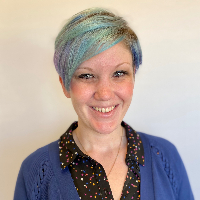
- Direct and caring
- Practical skills
- Evening and weekend hours
About Cassandra
She uses practical methods to address anxiety, depression, trauma, grief, and relationship concerns. Cassandra also supports people facing addiction, career stress, parenting challenges, and identity-related issues. Divorce and separation is listed among her focus areas for people navigating life transitions.
With three years of clinical experience in the role identified here, she emphasizes honest feedback and collaborative problem solving. Sessions commonly include skill building, goal setting, and brainstorming small steps that make a difference. Cassandra values plain language and clear next steps over jargon.
She prefers to meet in ways clients find comfortable and often uses video to help build rapport. Phone and text are mentioned as alternatives when those formats better fit a person’s needs. Scheduling tends to include evenings and weekends, and she checks messages on weekdays.
Clients can expect a straightforward, supportive guide who will walk alongside them through difficult transitions. Cassandra helps people notice patterns, try new approaches, and take manageable steps toward the life they want.
License and NPI on record
- LCSW
- Connecticut · 58.010861
- NPI
- 1801355219
As listed on the therapist's profile. A license can be checked with the state board, and an NPI with the national NPI registry.
Areas of expertise
Primary focus
Also works with
Additional focus areas
Therapeutic approaches
Experience
3+ years
Credentials
Connecticut
Languages
English
How therapeutic approaches shape online work
Client-Centered Therapy focuses on listening closely and following the person’s agenda. The therapist offers empathy and reflection so people feel heard and can identify what matters most to them. Cognitive Behavioral Therapy, or CBT, breaks problems into thoughts, feelings, and behaviors and then tries small experiments to change unhelpful patterns. This approach is commonly used for anxiety, depression, and coping with life changes. Dialectical Behavior Therapy, or DBT, teaches practical skills for handling strong emotions and improving communication. It can help with emotion regulation, relationship stress, and impulse-driven behavior.Finding the right approach is a collaborative process. The therapist will talk with each person about their goals and try different strategies until something feels useful. They work together to set small, manageable steps and adjust the plan as needs change.
The biography notes use of video sessions and availability by phone or text when that better suits a person. Confirm current session options before booking so you know what formats are possible. Online work can make it easier to fit therapy into a busy day, allow shorter check-ins when needed, and let people meet from wherever they are located within the therapist's service area. Licensed professionals can adapt exercises, worksheets, and skill practice to work well in remote sessions.
Frequently asked questions
What concerns does Cassandra help with?
She works with stress, anxiety, depression, trauma, grief, addictions, relationship and intimacy issues, parenting challenges, career stress, and related concerns such as abandonment and attachment issues.
What is her therapy style like?
Her style is client-centered and straightforward. She uses practical techniques and honest feedback to help people set goals and try new ways of coping.
What experience does she bring?
She has three years of experience in the clinical role identified here, working with people facing depression, anxiety, trauma, substance use, and parenting challenges.
What credential and location are listed?
She is a Licensed Clinical Social Worker, CT LCSW, based in Connecticut.
Which languages and international clients are supported?
Sessions are offered in English. International clients are not currently accepted.
What session formats are used?
The original biography indicates she meets by video and can also use phone and text when that is preferred; confirm current session options before booking.
How does payment or cost work?
Cost varies with location and therapist availability; sessions are delivered through a subscription that can be canceled at any time.
How do I get started?
Click the Start Therapy button, complete the short matching questionnaire, and schedule according to the therapist's availability.
Good to know
Therapists listed here offer talking therapy online. It is not legal, financial or custody advice, and no therapist can promise how a separation or a relationship will turn out.
If you are not safe at home, or someone is hurting or threatening you, contact emergency services or a domestic-abuse helpline. The numbers are at the foot of this page.