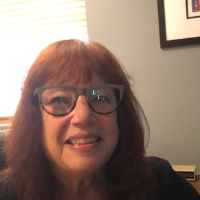
- 30 years experience
- Practical tools
- Warm conversational style
About Susan
She helps people facing stress, anxiety, depression, and life transitions. That includes parenting challenges, relationship and partner issues, and separation or divorce. Susan also supports those dealing with substance issues, career or employment struggles, grief, and self-esteem concerns.
Susan blends several approaches to match what each person needs. She draws on client-centered work to follow the person's pace and priorities. She uses cognitive behavioral ideas to identify unhelpful thinking and build new habits, and she brings solution-focused and narrative methods to help people clarify goals and make change.
Her background includes training other social workers and offering individual and group counseling. That experience shapes a practical, skills-based style that aims to build confidence and choices. Sessions are conversational and collaborative, with an emphasis on what helps between meetings.
To begin, Susan asks people to describe their current concerns and goals. From there she and the client decide together what approaches and steps to try. The result is tailored care that focuses on usable tools and steady progress.
License and NPI on record
- LCSW
- New York · 020398
- LCSW-R
- New York · 020398
- NPI
- 1962035204
As listed on the therapist's profile. A license can be checked with the state board, and an NPI with the national NPI registry.
Areas of expertise
Primary focus
Also works with
Additional focus areas
Therapeutic approaches
Experience
30+ years
Credentials
New York, New York
Languages
English
How Susan’s approaches shape online care
Client-Centered Therapy focuses on listening closely and following the person's lead. It helps when someone needs a respectful space to name priorities and make choices without pressure. Cognitive Behavioral Therapy, or CBT, looks at patterns of thought and behavior and teaches specific skills to change unhelpful cycles; it is often useful for anxiety, depression, and stress.Finding the right approach is part of the work. Susan discusses goals and preferences with each person and chooses or combines methods together. That means the plan evolves from session to session to match what helps most for daily life.
Confirm current session options before booking so you know which formats are available. Online work can make therapy easier to fit into a busy week, reduce travel time, and allow for shorter check-ins when a quick update is needed. It can also let people use phone-only sessions when bandwidth or camera time is a concern. The aim is to make therapy practical and usable alongside everyday responsibilities.
Frequently asked questions
What kinds of concerns does she help with?
Susan works with people facing stress, anxiety, depression, grief, relationship and parenting challenges. She also helps with life transitions such as divorce and career changes, as well as issues related to substance use and eating.
How would you describe her therapy style?
Her style is warm and conversational. She focuses on practical steps and tools people can use between sessions and adapts methods to each person's pace.
What is her background and experience?
She has 30 years of experience working in community settings, schools, and day programs, and has trained other social workers while providing individual and group counseling.
What credentials and location are listed?
She holds LCSW and LCSW-R credentials and practices in New York.
In which languages are sessions offered?
Sessions are offered in English.
Are international clients accepted?
International clients are not currently accepted.
How are fees and payment handled?
Cost varies with location and therapist availability; sessions use a subscription that can be canceled at any time.
What is the process to get started?
Select the Start Therapy button, complete a short matching questionnaire, and schedule according to therapist availability.
Good to know
Therapists listed here offer talking therapy online. It is not legal, financial or custody advice, and no therapist can promise how a separation or a relationship will turn out.
If you are not safe at home, or someone is hurting or threatening you, contact emergency services or a domestic-abuse helpline. The numbers are at the foot of this page.