- Strengths focused
- Direct and warm
- Goal oriented
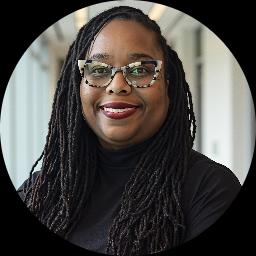
About Tonya
She uses a warm, direct, and interactive style in sessions. Conversations are tailored to each person and focus on strengths and choices. She avoids stigmatizing labels and treats people with sensitivity and respect.
Tonya draws from client-centered therapy, cognitive behavioral therapy, psychodynamic ideas, and solution-focused methods. That mix helps her address problems like communication difficulties, commitment concerns, codependency, and issues stemming from family of origin. She also supports people dealing with abandonment, infidelity, guilt, shame, and divorce and separation.
In practical terms, sessions look like focused conversation, goal setting, and skill practice when useful. She may explore personal history to spot patterns and try small changes to test what helps. The plan is adjusted as needs and goals change.
Getting started involves choosing to take a step toward change. Tonya aims to offer guidance, challenge when needed, and support people as they try new ways of relating and coping.
License and NPI on record
- LPC
- Texas · 78531
- LCMHC
- Utah · 13879293-6004
- NPI
- 1811519283
As listed on the therapist's profile. A license can be checked with the state board, and an NPI with the national NPI registry.
Areas of expertise
Primary focus
Also works with
Additional focus areas
Therapeutic approaches
Experience
7+ years
Credentials
Texas, Utah
Languages
English
How her approaches guide online work
Client-Centered Therapy emphasizes the person’s experience. The therapist listens closely, reflects what she hears, and follows the client’s lead to build understanding and confidence. This approach helps with self-esteem, identity questions, and relationship struggles.Cognitive Behavioral Therapy (CBT) focuses on the link between thoughts, feelings, and actions. It uses practical exercises and small experiments to change unhelpful patterns. CBT can be useful for anxiety, stress, and managing reactions in difficult conversations.
Finding the right approach is part of the therapy process. Tonya will work together with each person to decide what methods suit their goals and preferences. That collaborative process can include trying different techniques and adjusting the plan based on what helps.
Confirm the current session options before booking, as formats are not specified in the provided biography. Online work can make it easier to fit sessions into a busy week, allow shorter check-ins when needed, and reduce travel time. It also lets people continue consistent work during life transitions while matching pace and focus to everyday schedules.
Frequently asked questions
What issues does she commonly address?
She works with relationship and intimacy concerns, stress and anxiety, self-esteem, career questions, family and parenting issues, and coping with life changes.
How would you describe her therapeutic style?
Her style is warm, sometimes direct, and interactive. Sessions focus on respectful dialogue, practical steps, and the client’s choices.
What professional background does she bring?
She has seven years of counseling experience and previously spent over 15 years in the corporate world, which informs her approach to career and life transition concerns.
Where is she located and what are her credentials?
She practices in Texas and holds LPC and LCMHC credentials, listed as TX LPC and UT LCMHC in her documentation.
Which languages are supported for sessions?
Sessions are offered in English.
Can people from other countries work with her?
International clients are not currently accepted.
How are session costs handled?
Cost varies with location and therapist availability; sessions use a subscription that can be canceled at any time.
What are the steps to begin working together?
Use the Start Therapy button, complete a short matching questionnaire, and then schedule according to the therapist’s availability.
Good to know
Therapists listed here offer talking therapy online. It is not legal, financial or custody advice, and no therapist can promise how a separation or a relationship will turn out.
If you are not safe at home, or someone is hurting or threatening you, contact emergency services or a domestic-abuse helpline. The numbers are at the foot of this page.