- Phone sessions
- Goal focused
- Compassionate listener
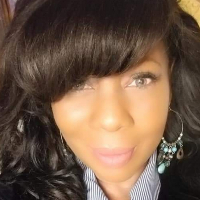
About Marlo
Marlo creates a space where clients can talk through what feels stuck and figure out practical next steps. She listens, asks questions to clarify what matters most, and helps people shift thoughts and behaviors that get in the way of feeling better. Sessions emphasize real-world changes, not jargon.
Her approach blends client-centered listening with tools that prompt motivation and short-term problem solving. She also draws on psychodynamic ideas to look at patterns that repeat over time. These methods are used to uncover underlying issues and build new ways of coping.
Marlo earned a Bachelor of Science in Industrial Psychology from California State University, Hayward in 2002. She completed a Master of Social Work from California State University, East Bay in 2008 and holds a California LCSW credential. She has practiced for eight years and brings that experience to each session.
Sessions are currently offered by phone only. Before booking, confirm the current session options and scheduling details. If you choose to begin, you will work together to set goals and create a plan that fits daily life.
License and NPI on record
- LCSW
- California · 76409
- NPI
- 1174651194
As listed on the therapist's profile. A license can be checked with the state board, and an NPI with the national NPI registry.
Areas of expertise
Primary focus
Also works with
Additional focus areas
Therapeutic approaches
Experience
8+ years
Credentials
California
Languages
English
How Marlo’s Approaches Shape Online Work
Marlo uses client-centered therapy to focus on each person’s experience and goals, creating space to be heard and understood. This approach helps when someone needs empathy and a steady partner to sort through feelings.She also uses Motivational Interviewing to help people find their own reasons to change and to build small, achievable steps toward those goals. That method is useful for decisions about relationships, career moves, or managing habits tied to stress and health.
Finding the right approach is part of the work. Marlo will talk with you about your needs, goals, and preferences and help choose which methods to try. The process is collaborative and may shift as things evolve in therapy.
Sessions are currently offered by phone only, so confirm the session options before booking. Phone sessions can make it easier to fit therapy into a busy day, allow shorter check-ins when needed, and avoid the need to be on camera. If you want to start, discuss scheduling and how sessions will fit into your routine when you complete the initial matching steps.
Frequently asked questions
What concerns does Marlo commonly address?
She supports people coping with stress, anxiety, depression, grief, trauma, and issues tied to relationships and divorce and separation.
What is her therapeutic style like?
Marlo offers a warm, client-centered approach that emphasizes listening, setting clear goals, and practical steps for change.
How much clinical experience does she have?
She has eight years of professional experience working as a psychotherapist and social worker.
What credentials and location are listed?
Marlo is a Licensed Clinical Social Worker, LCSW, in California and completed a Master of Social Work at California State University, East Bay.
Which languages are supported for sessions?
Sessions are offered in English.
What session formats are available?
She is currently offering phone sessions only; confirm current session options before booking.
How is cost handled for sessions?
Cost varies with location and therapist availability, and sessions use a subscription that can be canceled at any time.
How do I begin working with this therapist?
Select the Start Therapy button, complete the short matching questionnaire, and schedule according to the therapist's availability.
Good to know
Therapists listed here offer talking therapy online. It is not legal, financial or custody advice, and no therapist can promise how a separation or a relationship will turn out.
If you are not safe at home, or someone is hurting or threatening you, contact emergency services or a domestic-abuse helpline. The numbers are at the foot of this page.