- Affirming care
- Goal focused
- Practical skills
About Hope
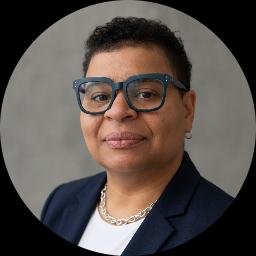
Hope offers an affirming, culturally responsive approach that honors each person's story. Sessions emphasize listening, practical skills, and small steps toward relief. Hope aims to help clients notice patterns, try new ways of relating, and rebuild a clearer sense of purpose.
With 16 years of experience, Hope has worked with people at different life stages. That includes help for those dealing with chronic pain, isolation, codependency, and midlife transitions. Hope also addresses concerns such as obsessive thoughts and impulses in everyday terms, not clinical jargon.
The practice blends person-centered and trauma-informed perspectives while drawing on evidence-based therapeutic techniques. Conversations focus on real-life problems like communication breakdowns, control issues, and forgiveness. Hope supports people who are exploring gender and sexuality with respect and practical guidance.
People who choose Hope can expect steady, straightforward work on goals they set together. The therapist aims to help clients build resilience, improve communication, and move toward a more grounded life. To begin, users are asked to complete a short matching questionnaire and schedule according to availability.
License and NPI on record
- LPCC
- Ohio · E.2505716
- NPI
- 1699288928
As listed on the therapist's profile. A license can be checked with the state board, and an NPI with the national NPI registry.
Areas of expertise
Primary focus
Additional focus areas
Experience
16+ years
Credentials
Ohio
Languages
English
How evidence-based techniques fit into online therapy
Hope draws on clear, evidence-based therapeutic techniques that aim to change unhelpful patterns and build coping skills. One common approach focuses on identifying and testing unhelpful thoughts and behaviors, helping people reduce anxiety and low mood by trying new responses in everyday situations.Another approach centers on emotion regulation and grounding skills to manage intense feelings and impulsivity. This helps when anxiety, panic, or strong emotions make it hard to act on your values or maintain routines.
Finding the right method is a collaborative process. The therapist will work with each person to match techniques to their goals, needs, and preferences, checking in and adjusting the plan as work proceeds.
If you are considering online sessions, confirm the current session formats before booking because specific formats were not listed in the provided biography. Online work can make it easier to fit therapy into a busy life, reduce travel time, and allow shorter check-ins when that suits your schedule. Licensed professionals can use these approaches effectively in remote conversations while helping you practice skills between sessions.
Frequently asked questions
What kinds of concerns does Hope help with?
Hope works with stress, anxiety, depression, grief, ADHD, and identity questions. Additional focus areas include chronic illness, codependency, communication problems, and divorce and separation.
What is Hope's therapy style like?
The approach is person-centered and trauma-informed with an emphasis on practical skills. Sessions focus on listening, problem solving, and steps you can try between meetings.
How much experience does this therapist have?
Hope has 16 years of clinical experience working with adults across a variety of life stages and concerns.
What credential does Hope hold and where are they located?
Hope holds an LPCC credential and practices in Ohio.
Which languages are services offered in?
Sessions are offered in English.
Are sessions available to international clients?
International clients are not currently accepted.
How does payment and cost work?
Cost varies with location and therapist availability; sessions use a subscription that can be canceled at any time.
How do I begin working with Hope?
Select the Start Therapy button, complete a short matching questionnaire, and schedule according to therapist availability.
Good to know
Therapists listed here offer talking therapy online. It is not legal, financial or custody advice, and no therapist can promise how a separation or a relationship will turn out.
If you are not safe at home, or someone is hurting or threatening you, contact emergency services or a domestic-abuse helpline. The numbers are at the foot of this page.