- Client-centered approach
- Practical coping tools
- 25 years experience
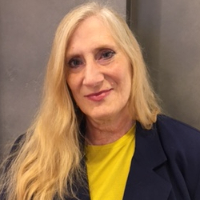
About Catherine
Catherine trained at Webster University and has worked in hospitals, community mental health centers, and substance use treatment settings. Over 25 years she has supported people facing depression, anxiety, substance use, grief, bipolar mood concerns, ADHD, and parenting or relationship challenges. Divorce and separation is one of the areas she lists among her focuses.
In sessions she honors the resources people already bring and uses their personal story to find ways forward. She relies on client-centered ideas alongside cognitive behavioral tools, mindfulness practices, motivational interviewing, and narrative techniques to tailor work to each person. Conversations are practical and goal-oriented rather than overly technical.
Catherine emphasizes collaboration. Clients set the pace and priorities while she offers tools to increase day-to-day functioning and reduce distress. She encourages small, realistic steps that add up to meaningful change.
Her background includes work in varied clinical settings that inform a flexible approach. People who want clear, respectful guidance and practical strategies for coping often find this style helpful. To begin, clients complete a short matching questionnaire and schedule according to therapist availability.
License and NPI on record
- LPC
- Missouri · 2001005760
- NPI
- 1184072712
As listed on the therapist's profile. A license can be checked with the state board, and an NPI with the national NPI registry.
Areas of expertise
Primary focus
Also works with
Additional focus areas
Therapeutic approaches
Experience
25+ years
Credentials
Missouri
Languages
English
How Catherine’s approaches translate to online work
Client-Centered Therapy focuses on listening and following the client's lead to build trust and practical goals. This approach helps people who want a supportive space to sort priorities and try concrete changes. Cognitive Behavioral Therapy (CBT) breaks problems into thoughts, feelings, and actions and offers clear tools to shift unhelpful patterns; it often helps with anxiety, depression, panic, and mood difficulties. Mindfulness Therapy uses simple awareness exercises and breathing practices to reduce reactivity and improve attention, which can help with stress, sleep, and emotional regulation.Choosing the best approach is part of the process. Catherine works collaboratively to figure out what methods fit a client's needs, goals, and preferences. She adapts tools over time and checks in to see what is helpful so the plan stays aligned with real life.
Session formats are not specified in the biography, so please confirm current options before booking. Online sessions can make it easier to fit therapy into a busy schedule, reduce travel time, and allow shorter check-ins when needed. They also let people try different techniques and record behavioral changes between meetings, so work in therapy can be applied directly to daily routines.
Frequently asked questions
What concerns does Catherine commonly address?
She works with stress, anxiety, depression, substance use, grief, relationship and parenting issues, ADHD, bipolar mood concerns, and related challenges such as codependency and communication problems.
What is her general therapy style?
Her approach is client-centered and practical. She combines this with cognitive behavioral techniques, mindfulness, motivational interviewing, and narrative work to match each person's needs.
How much experience does she have?
Catherine has 25 years of experience working in hospitals, community mental health, and substance use treatment settings.
What credential does she hold and where is she located?
She is a Licensed Professional Counselor - LPC - practicing in Missouri.
Which languages are supported for sessions?
Sessions are offered in English.
Can international clients work with her?
She does not accept international clients at this time.
How are costs handled for sessions?
Cost varies with location and therapist availability; sessions use a subscription that can be canceled at any time.
What are the first steps to begin working together?
Use the Start Therapy button, complete a short matching questionnaire, and schedule sessions based on the therapist's availability.
Good to know
Therapists listed here offer talking therapy online. It is not legal, financial or custody advice, and no therapist can promise how a separation or a relationship will turn out.
If you are not safe at home, or someone is hurting or threatening you, contact emergency services or a domestic-abuse helpline. The numbers are at the foot of this page.