- Divorce and separation
- Practical coping skills
- Client-centered care
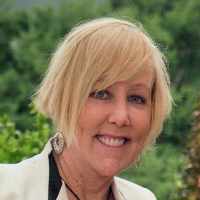
About Carol
She has an LCSW and ten years of clinical experience in California. Her approach blends client-centered listening with tools from cognitive behavioral therapy and psychodynamic ideas about patterns that repeat in relationships. In sessions she offers a calm, direct style that aims to make difficult topics easier to talk about.
Clients can expect to talk through current problems, try small experiments between sessions, and reflect on past experiences that shape present choices. She helps people notice habits that get in the way and practice alternatives that fit their life.
Dr. Schmidt takes a collaborative stance. She works with each person to set clear goals and checks in about progress. Conversations are practical and paced to the client’s needs.
Her work also includes attention to co-occurring concerns such as ADHD symptoms, mood disorders, obsessive patterns, and family conflict. People seeking help with divorce and separation often find the focus is on coping skills, communication, and rebuilding a sense of direction after change.
License and NPI on record
- LCSW
- California · 14175
- NPI
- 1508486176
As listed on the therapist's profile. A license can be checked with the state board, and an NPI with the national NPI registry.
Areas of expertise
Primary focus
Also works with
Additional focus areas
Therapeutic approaches
Experience
10+ years
Credentials
California
Languages
English
How her approaches translate to online work
Client-Centered Therapy focuses on understanding each person’s needs through attentive listening and reflection. This approach helps people feel heard and decide what changes matter most to them. Cognitive Behavioral Therapy (CBT) teaches practical skills to change unhelpful thoughts and behaviors and is useful for anxiety, panic, and depression. Psychodynamic Therapy looks at recurring patterns and past influences that affect present relationships and choices, which can be helpful for understanding long-standing difficulties.Finding the right approach is part of the process. The therapist will work collaboratively to choose methods that match the client’s goals, needs, and preferences. Together they decide whether to emphasize skills practice, exploring patterns, or a mix of both as sessions progress.
Confirm current session options before booking since formats are not specified in this profile. Online work can make it easier to fit therapy into a busy week, allow shorter check-ins when needed, and reduce travel time. It also lets people try tools between sessions in the settings where they live and work, so progress can be applied directly to daily life.
Frequently asked questions
What specific concerns does Dr. Schmidt address?
She works with stress, anxiety, depression, grief, relationship and intimacy issues, parenting strain, and divorce and separation among other concerns.
What kind of therapy style does she use?
Her style is client-centered and collaborative, combining active listening with practical tools from cognitive behavioral therapy and insights from psychodynamic work.
How much clinical experience does she have?
Dr. Schmidt has ten years of experience working with people on mood, anxiety, relationship, and family concerns.
What credentials and location apply to this therapist?
She is a Licensed Clinical Social Worker (LCSW) practicing in California.
Which languages are sessions offered in?
Sessions are offered in English.
What session formats are available?
Session formats are not listed here; please confirm current session options before booking to ensure they meet your needs.
How is cost handled for sessions?
Cost varies with location and therapist availability, and sessions use a subscription that can be canceled at any time.
How do I begin working with Dr. Schmidt?
Use the Start Therapy button, complete a short matching questionnaire, and schedule according to therapist availability.
Good to know
Therapists listed here offer talking therapy online. It is not legal, financial or custody advice, and no therapist can promise how a separation or a relationship will turn out.
If you are not safe at home, or someone is hurting or threatening you, contact emergency services or a domestic-abuse helpline. The numbers are at the foot of this page.