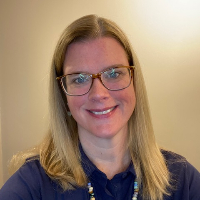
- Client-centered
- Practical skills
- 25 years experience
About Wendy
Wendy uses straightforward methods in sessions. She draws on client-centered therapy to build a trustworthy working relationship. She also uses cognitive behavioral strategies to break down unhelpful thinking patterns and dialectical behavior techniques to teach emotion regulation and coping skills.
Her background includes long-term work in private practice and in school settings. That experience shaped a collaborative style that asks what matters most to the person in front of her. Sessions are conversational but focused, with an emphasis on skills people can use between meetings.
Wendy often supports people dealing with parenting stresses, grief, trauma or compassion fatigue. She also has experience with mood disorders such as bipolar and depression, ADHD, postpartum concerns, and issues related to adoption, foster care, and blended families. She helps people weigh practical options and find small, doable changes.
People who choose Wendy typically want a therapist who listens without judgment and then helps them plan realistic steps. She works with each person to set the pace and shape the work to match their life and goals.
License and NPI on record
- LMFT
- Massachusetts · 1348
- NPI
- 1083899801
As listed on the therapist's profile. A license can be checked with the state board, and an NPI with the national NPI registry.
Areas of expertise
Primary focus
Also works with
Additional focus areas
Therapeutic approaches
Experience
25+ years
Credentials
Massachusetts
Languages
English
How Wendy's approaches work in online care
Client-centered therapy focuses on building a respectful, listening relationship so people can speak freely about what matters most to them. This helps when someone needs space to sort through feelings before trying specific tools.Cognitive Behavioral Therapy (CBT) breaks problems down into thoughts, feelings, and actions and teaches practical techniques to change patterns that get in the way. CBT can be useful for anxiety, depression, and stress that interfere with daily life.
Finding the right approach is a team effort. Wendy will discuss your goals and preferences and suggest which methods to try. She aims to tailor work to your needs and adjust as progress is made so the plan stays useful and realistic.
If you are considering online therapy, confirm the current session options when you book. Online sessions can make it easier to fit therapy into a busy schedule, reduce travel time, and allow for shorter check-ins when needed. Licensed professionals can use these formats to continue the same kinds of CBT and client-centered work you would expect in person, while keeping sessions focused on practical steps you can use between meetings.
Frequently asked questions
What kinds of concerns does Wendy help with?
She works with stress, anxiety, mood disorders, grief, trauma, parenting strain, and related challenges including divorce and separation.
What is Wendy's therapeutic style?
Wendy uses a collaborative, client-centered approach that combines CBT and DBT skills with solution-focused planning to meet each person's goals.
How long has she been practicing?
She has 25 years of experience working in private practice and school settings, which informs a practical, conversational approach.
What credential and location information is on file?
Wendy holds an MA and is a Licensed Marriage and Family Therapist (LMFT) practicing in Massachusetts.
Which languages are supported in sessions?
Sessions are offered in English.
Can people living outside the U.S. work with her?
She is not accepting international clients at this time.
How much do sessions cost?
Cost varies with location and therapist availability; sessions use a subscription that can be canceled at any time.
What are the steps to begin working with Wendy?
Use the Start Therapy button, complete a short matching questionnaire, and schedule according to therapist availability.
Good to know
Therapists listed here offer talking therapy online. It is not legal, financial or custody advice, and no therapist can promise how a separation or a relationship will turn out.
If you are not safe at home, or someone is hurting or threatening you, contact emergency services or a domestic-abuse helpline. The numbers are at the foot of this page.