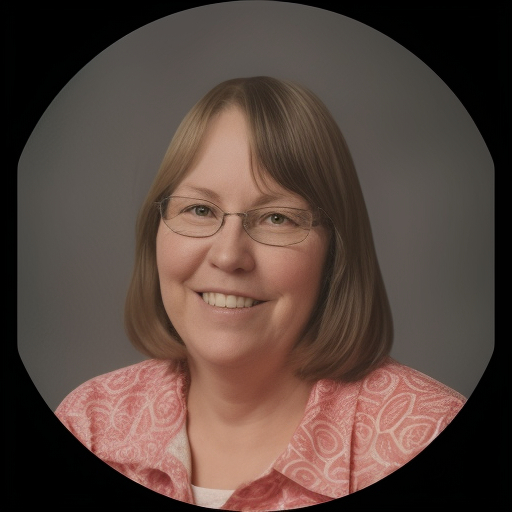
- Skill focused
- Compassionate guide
- 20 years experience
About Susan
Susan focuses on practical recovery and life transitions. She supports people coping with divorce and separation, chronic illness or pain, and the fallout from family-of-origin wounds. She also addresses codependency, control issues, shame and rebuilding self-worth after major losses.
Sessions center on learning new skills and making concrete changes. Susan uses simple tools to manage intense feelings, calm anxiety, and reduce unhelpful thinking patterns. She also helps people set goals and build routines that fit real life.
Motivation and small steps are part of the plan. Susan uses techniques to strengthen resolve, break down big problems, and keep progress steady. She watches for patterns that get in the way and helps people try different strategies.
Susan practices in Michigan and meets with people in English. She holds an LMSW, which stands for Licensed Master Social Worker, and brings two decades of experience to each session. To begin, people typically complete a short matching questionnaire and schedule a time that fits their needs.
License and NPI on record
- LMSW
- Michigan · 6801081995
- NPI
- 1851475552
As listed on the therapist's profile. A license can be checked with the state board, and an NPI with the national NPI registry.
Areas of expertise
Primary focus
Additional focus areas
Therapeutic approaches
Experience
20+ years
Credentials
Michigan
Languages
English
Approaches that translate to online work
CBT, or Cognitive Behavioral Therapy, focuses on identifying unhelpful thinking patterns and testing new behaviors. It works well for anxiety, depression, and stress by giving clear tools to change what is not helpful.DBT, or Dialectical Behavior Therapy, teaches skills for emotional regulation, distress tolerance, and improving relationships. It is useful when feelings feel overwhelming or when people struggle with impulsive behaviors.
Finding the right approach is part of the work. The therapist will collaborate with each person to choose methods that fit their goals and daily life. Goals, preferences, and how someone responds to early sessions all guide what is tried next.
Confirm the available session options before booking since formats are not listed in the profile. Online therapy can make it easier to fit appointments into a busy day, reduce time spent traveling, and allow for shorter check-ins when needed. It can also let people use techniques learned in sessions directly in their everyday setting, helping skills generalize to real situations.
Frequently asked questions
What concerns does Susan commonly address?
She helps people with stress, anxiety, depression, addictions, low self-esteem, and coping with life changes including divorce and separation.
What is her therapeutic style like?
The approach is practical and skill based, mixing tools to manage emotions with goal setting and step-by-step planning.
How much clinical experience does she have?
Susan has 20 years of experience working with individuals on mental health and life transition issues.
What credentials and region does she practice in?
She holds an LMSW, which stands for Licensed Master Social Worker, and practices in Michigan.
Which languages are supported and are international clients accepted?
Sessions are offered in English and international clients are not currently accepted.
What session formats are available?
Please confirm current session options before booking, as formats are not specified in the profile.
How are costs structured for sessions?
Cost varies with location and therapist availability; sessions use a subscription that can be canceled at any time.
How do I begin working with her?
Click the Start Therapy button, complete a short matching questionnaire, and schedule according to therapist availability.
Good to know
Therapists listed here offer talking therapy online. It is not legal, financial or custody advice, and no therapist can promise how a separation or a relationship will turn out.
If you are not safe at home, or someone is hurting or threatening you, contact emergency services or a domestic-abuse helpline. The numbers are at the foot of this page.