- Practical coping skills
- Trauma informed care
- Attachment focused work
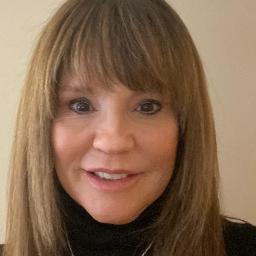
About Shirley
She uses a mix of practical talk and evidence-informed methods. Sessions focus on skills people can use between meetings and on understanding patterns that keep problems alive. Shirley combines approaches so the work addresses the person in front of her, not a one-size-fits-all plan.
Shirley draws on six years of experience in behavioral health and counseling. Her background includes clinical work with people affected by trauma and by alcohol or drug concerns. That experience shapes how she plans therapy and supports people through difficult transitions.
Her style is steady and collaborative. She listens for how past relationships show up now and helps people practice new ways of coping. Therapy often includes attention to emotions, coping skills, and steps to reduce harmful patterns.
People who choose Shirley usually want straightforward guidance, workable tools, and a therapist who understands the overlap of mental health and substance concerns. To begin, follow the site process to match and schedule a first appointment.
License and NPI on record
- LPCC
- Minnesota · cc01420
- NPI
- 1891034120
As listed on the therapist's profile. A license can be checked with the state board, and an NPI with the national NPI registry.
Areas of expertise
Primary focus
Additional focus areas
Therapeutic approaches
Experience
6+ years
Credentials
Minnesota
Languages
English
How therapeutic approaches translate to online care
Attachment-Based Therapy focuses on how early relationships shape current patterns. Online sessions using this approach often look at how you relate to others now and practice new ways of connecting and trusting. Cognitive Behavioral Therapy, or CBT, centers on the link between thoughts, feelings, and actions; in remote sessions this often means identifying unhelpful thinking, trying new behaviors, and tracking progress between meetings. Dialectical Behavior Therapy, or DBT, teaches skills for regulating emotions and tolerating distress, and can offer concrete tools people use day to day during life transitions.Choosing the right approach is part of the work. The therapist will talk with each person about their goals and preferences and together decide which methods to try. That collaborative process can change as needs shift over time, and sessions may combine elements from different approaches.
Confirm the current session formats before booking, as formats are not specified here. Online therapy can make it easier to fit sessions into a busy schedule, shorten travel time, and allow for consistent check-ins during a hectic week. It also lets people practice new skills in the settings where they live and work. Licensed professionals and therapists offering remote care often tailor session pacing and homework to suit everyday routines, helping therapy fit into real life rather than becoming one more item on the to-do list.
Frequently asked questions
What concerns does Shirley commonly address?
She supports people dealing with stress, anxiety, addictions, trauma and abuse, depression, and related struggles such as attachment issues, codependency, and divorce and separation.
How would you describe her therapy style?
Her approach is collaborative and straightforward, combining practical skill-building with attention to relationship patterns and emotional experience.
What is her professional background?
She has six years of experience in behavioral health and counseling, including work with people affected by trauma and substance concerns.
What credential and location are listed for Shirley?
She holds the LPCC credential and practices in Minnesota.
In which languages can sessions be held?
Sessions are offered in English.
Can people outside the U.S. work with her?
She does not accept international clients at this time.
How are fees and billing handled?
Cost varies with location and therapist availability; sessions use a subscription model that can be canceled at any time.
What should I do to begin therapy?
Use the Start Therapy button, complete the short matching questionnaire, and then schedule according to the therapist's availability.
Good to know
Therapists listed here offer talking therapy online. It is not legal, financial or custody advice, and no therapist can promise how a separation or a relationship will turn out.
If you are not safe at home, or someone is hurting or threatening you, contact emergency services or a domestic-abuse helpline. The numbers are at the foot of this page.