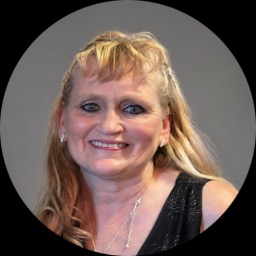
- 31 years experience
- Divorce and separation
- Helps with grief
About Roxanne
She adjusts conversation and plans to fit each person's needs. That means sessions focus on what matters most to the individual - whether coping with loss, reducing panic attacks, or improving communication. Goals and pacing are decided together so progress feels manageable.
Roxanne has worked across many situations over three decades, giving her a broad base of practical experience. She draws on evidence-based therapeutic techniques to address mood disorders, post-traumatic stress, and social anxiety. Her background includes helping people with attachment issues, caregiver stress, and feelings of isolation.
People who want support around divorce and separation concerns will find her willing to address those challenges as part of relationship work and recovery. She also supports people dealing with guilt, shame, and forgiveness as they move forward.
Roxanne works in English and accepts international clients. She invites people to take the first step by selecting Start Therapy, completing a short matching questionnaire, and scheduling a session according to availability.
License and NPI on record
- LCSW
- North Dakota · 2096
- NPI
- 1124084942
As listed on the therapist's profile. A license can be checked with the state board, and an NPI with the national NPI registry.
Areas of expertise
Primary focus
Additional focus areas
Experience
31+ years
Credentials
North Dakota
Languages
English
How evidence-based methods translate to online care
Roxanne uses evidence-based therapeutic techniques that focus on practical steps and emotional processing. One common approach involves structured strategies to reduce anxiety and panic by teaching coping skills and simple exercises to use between sessions. Another approach focuses on processing trauma and distress through paced conversation and grounding methods so painful memories become easier to manage over time.Finding the right approach is a collaborative process. The therapist will work with each person to learn what feels helpful and to adjust methods based on goals, life demands, and progress. Decisions about techniques and pacing are made together rather than imposed.
The benefits of online therapy are often practical: it can make scheduling easier, reduce travel time, and help fit sessions into a workday or caregiving routine. Because the biography does not list specific session formats, please confirm available formats before booking. Roxanne accepts international clients and will discuss how to structure appointments to match your needs and daily life.
Frequently asked questions
What kinds of problems does Roxanne address?
She helps people with stress, anxiety, relationship concerns, trauma and abuse, grief, and depression, plus related issues like attachment and caregiver stress.
How would you describe her therapeutic style?
Roxanne uses evidence-based therapeutic techniques and keeps the work practical and person-centered, tailoring sessions to each client's needs and goals.
How much experience does she have?
She brings 31 years of professional work experience to her practice, drawing on a long history of helping people with a range of concerns.
Where is Roxanne licensed and based?
She is a licensed clinical social worker (LCSW) in North Dakota.
In which languages can sessions be held?
Sessions are offered in English, and she also accepts international clients.
What session formats are available?
The original biography does not list specific session formats; please confirm current session options before booking.
How does pricing work?
Cost varies with location and therapist availability; sessions use a subscription that can be canceled at any time.
How do I begin working with Roxanne?
Select the Start Therapy button, complete a short matching questionnaire, and schedule according to the therapist's availability.
Good to know
Therapists listed here offer talking therapy online. It is not legal, financial or custody advice, and no therapist can promise how a separation or a relationship will turn out.
If you are not safe at home, or someone is hurting or threatening you, contact emergency services or a domestic-abuse helpline. The numbers are at the foot of this page.