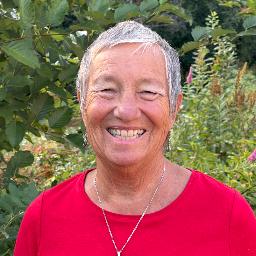
- Client-centered focus
- 20 years experience
- Divorce and separation
About Kristina
Her approach starts with the belief that each person knows their own story best. Sessions are built around listening, asking clear questions, and helping people notice strengths they already have. Kris aims to make the process feel collaborative and straightforward, not overwhelming.
Over two decades she has supported people facing attachment wounds, feelings of abandonment, and post-traumatic stress. She also addresses practical struggles like money stress, caregiving strain, chronic illness, and body image concerns. Many clients come for help with guilt, shame, loneliness, or mood shifts.
Kris uses client-centered therapy, which places the person’s perspective at the center of work. That means the topics and pace come from the client, and the therapist follows their lead while reflecting back what she hears.
When someone is ready to begin, Kris helps them set small goals and steps they can try between sessions. She aims to make therapy useful for everyday life and to support lasting change without rushing the process.
License and NPI on record
- LMFT
- California · 37109
- NPI
- 1720273097
As listed on the therapist's profile. A license can be checked with the state board, and an NPI with the national NPI registry.
Areas of expertise
Primary focus
Additional focus areas
Therapeutic approaches
Experience
20+ years
Credentials
California
Languages
English
How client-centered care fits with online therapy
Client-centered therapy is about following the client’s lead and reflecting what they say. It focuses on empathy, listening, and helping people notice their strengths so they can make changes that matter. This approach is often used for stress, anxiety, trauma-related concerns, and life adjustments like separation.Because client-centered work is collaborative, the therapist and client decide together what to try. That may include setting small goals, testing new ways to communicate, or practicing coping steps between sessions. The therapist checks in and adjusts the approach based on what feels most helpful for the person.
Practical benefits of online therapy can include fitting sessions into a busy day, avoiding travel time, and making it easier to keep regular appointments. Some clients prefer shorter check-ins that fit a work break, while others like a full session that replaces an in-person visit. The biography does not list specific session formats, so confirm which options are available before booking. A licensed professional will help match the right format and approach to your needs.
Frequently asked questions
What kinds of concerns does she help with?
She works with stress, anxiety, trauma and abuse, LGBT issues, compassion fatigue, and challenges related to life changes such as divorce and separation.
What is her therapeutic style?
Her work uses client-centered therapy, emphasizing listening and reflecting so the client's own goals guide sessions.
How long has she practiced?
She has 20 years of professional experience working with people on a range of emotional and life concerns.
What credentials and location are listed?
She is a California Licensed Marriage and Family Therapist, noted as LMFT, and practices in California.
Can I work with her if I live outside the United States?
Sessions are offered in English and she is not currently accepting international clients.
What session formats are available?
The original biography does not specify session formats, so confirm current options with the therapist before booking.
How does cost work?
Cost varies with location and therapist availability; sessions use a subscription that can be canceled at any time.
How do I begin working with her?
Select the Start Therapy button, complete the short matching questionnaire, and schedule according to the therapist's availability.
Good to know
Therapists listed here offer talking therapy online. It is not legal, financial or custody advice, and no therapist can promise how a separation or a relationship will turn out.
If you are not safe at home, or someone is hurting or threatening you, contact emergency services or a domestic-abuse helpline. The numbers are at the foot of this page.