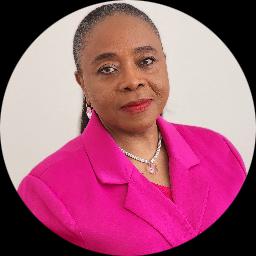
- Relationship focus
- Practical steps
- 19 years experience
About Folashade
In sessions she tailors conversations and plans to each person's needs. She focuses on practical steps clients can try between meetings. Topics often include improving communication, handling control issues, coping with separation or divorce, and rebuilding confidence after setbacks.
She also addresses feelings of isolation and challenges like mood or personality difficulties. Work and women's issues, social anxiety, forgiveness, and questions about life purpose are common themes she supports. She explains options clearly and helps people choose what fits their situation.
Folashade frames therapy as a collaborative process. She encourages people to take small, achievable steps and checks progress along the way. The goal is to help people feel more capable and able to handle daily stresses.
Her practice emphasizes respect and compassion. She meets clients where they are and adjusts the pace to match what each person needs. Seeking change takes courage, and she offers steady support through that process.
License and NPI on record
- LCSW
- Illinois · 149029632
- NPI
- 1598640195
As listed on the therapist's profile. A license can be checked with the state board, and an NPI with the national NPI registry.
Areas of expertise
Primary focus
Additional focus areas
Experience
19+ years
Credentials
Illinois
Languages
English, Yoruba
Approaches that guide online support and change
Folashade uses evidence-based therapeutic techniques focused on clear, practical work. One common approach emphasizes improving communication and problem-solving skills to reduce conflict and build better interactions. This helps people who struggle with arguments, unclear boundaries, or repeated relationship patterns.Another approach focuses on mood and coping strategies to manage depression and major life transitions. That involves learning small behavioral changes, mood tracking, and tools to handle low energy or motivation so daily life becomes more manageable.
Choosing the right approach is collaborative. The therapist will talk with each person about goals, personal preferences, and what has or hasn’t worked before. Together they decide which methods to try and adjust the plan over time based on progress and feedback.
Session formats are not specified in the biography, so confirm current options before booking. Online therapy can make it easier to fit appointments into a busy schedule, reduce travel time, and allow follow-up conversations between in-person visits when needed. It also makes it simpler to maintain consistent check-ins during life transitions and when juggling work or family demands.
Frequently asked questions
What kinds of problems does she help with?
She helps with relationship strain, family conflict, low self-esteem, depression, and coping with life changes, among related concerns.
How would you describe her style in sessions?
Her style is respectful and straightforward, with an emphasis on practical steps and tailored conversation to fit each person's needs.
How much experience does she have?
She has 19 years of professional experience working with people on relationship and life-change issues.
What credentials and location are listed?
She is an LCSW licensed in Illinois and practices with that credential in the state.
Which languages are supported in sessions?
Sessions are offered in English and Yoruba.
Can international clients work with her?
She is not currently accepting international clients; sessions are provided within her practice region.
How are sessions priced and billed?
Cost varies with location and therapist availability; sessions use a subscription that can be canceled at any time.
What are the steps to begin working together?
Use the Start Therapy button, complete a short matching questionnaire, and then schedule according to the therapist's availability.
Good to know
Therapists listed here offer talking therapy online. It is not legal, financial or custody advice, and no therapist can promise how a separation or a relationship will turn out.
If you are not safe at home, or someone is hurting or threatening you, contact emergency services or a domestic-abuse helpline. The numbers are at the foot of this page.