- Grief support
- Self-esteem work
- Depression care
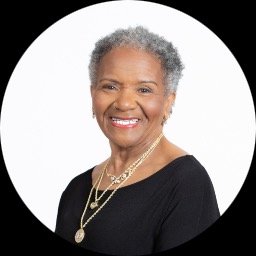
About Sharon
Sharon draws on 33 years of professional experience in North Carolina to guide practical steps forward. Sessions focus on identifying day-to-day coping strategies, building motivation, and restoring confidence after loss or difficult life changes. She also addresses body image, caregiver stress, forgiveness, finding life purpose, and self-love where relevant.
In the counseling room she listens for what matters most to each person and helps set achievable goals. Conversations tend to be straightforward and solution-oriented while still making room for difficult feelings. The goal is to help people notice small changes that add up over time.
Sharon works to tailor support to each person’s situation rather than using a one-size-fits-all plan. She encourages practical experiments between sessions and checks in on what helps and what does not. This steady, collaborative approach aims to make progress feel manageable.
People who are dealing with separation or divorce-related stress can bring those concerns into sessions. Sharon offers guidance in sorting through emotions and making choices that move toward a clearer direction.
License and NPI on record
- LCSW
- North Carolina · C002264
- NPI
- 1447326525
As listed on the therapist's profile. A license can be checked with the state board, and an NPI with the national NPI registry.
Areas of expertise
Primary focus
Additional focus areas
Experience
33+ years
Credentials
North Carolina
Languages
English
How evidence-based approaches translate to online care
Sharon uses evidence-based therapeutic techniques to guide sessions in clear, practical ways. One common approach focuses on coping skills for grief and depression by teaching simple strategies to manage difficult feelings and re-establish daily routines. Another approach centers on building self-esteem and motivation through small, doable behavioral changes that help people regain confidence and direction.Finding the right approach is part of the work together. Sharon treats therapy as a collaborative process and will help identify which techniques fit a person’s goals, needs, and preferences. She checks in regularly and adjusts plans based on what is working and what feels helpful.
If you are considering online therapy, confirm the current session options before booking since specific formats are not listed in the biography. Online work can make it easier to fit sessions into a busy life, reduce travel time, and allow for shorter check-ins when needed. It can also let someone choose times that match their schedule more readily than in-person appointments. Ask about available formats when you complete the matching questionnaire so arrangements can be made that suit your routine and goals.
Frequently asked questions
What concerns does Sharon commonly address?
She helps people coping with grief, low self-esteem, depression, and compassion fatigue. She also supports work on body image, caregiver stress, forgiveness, life purpose, self-love, and issues related to divorce and separation.
What is her general therapy style?
Her style is open and nonjudgmental with a practical focus. Sessions combine listening with simple, real-world steps to try between meetings.
How much clinical experience does she have?
She has 33 years of professional work experience providing behavioral health support in various settings.
What credentials and region apply to this therapist?
She holds an LCSW credential and practices in North Carolina. The listing identifies her as an NC LCSW.
Which languages are sessions offered in?
Sessions are offered in English.
Can international clients work with her?
She is not currently accepting international clients.
How are sessions priced?
Costs vary with location and therapist availability, and sessions use a subscription that can be canceled at any time.
How do I get started with therapy?
Click the Start Therapy button, complete a short matching questionnaire, and then schedule according to therapist availability.
Good to know
Therapists listed here offer talking therapy online. It is not legal, financial or custody advice, and no therapist can promise how a separation or a relationship will turn out.
If you are not safe at home, or someone is hurting or threatening you, contact emergency services or a domestic-abuse helpline. The numbers are at the foot of this page.